The Importance of Choosing the Right Forklift
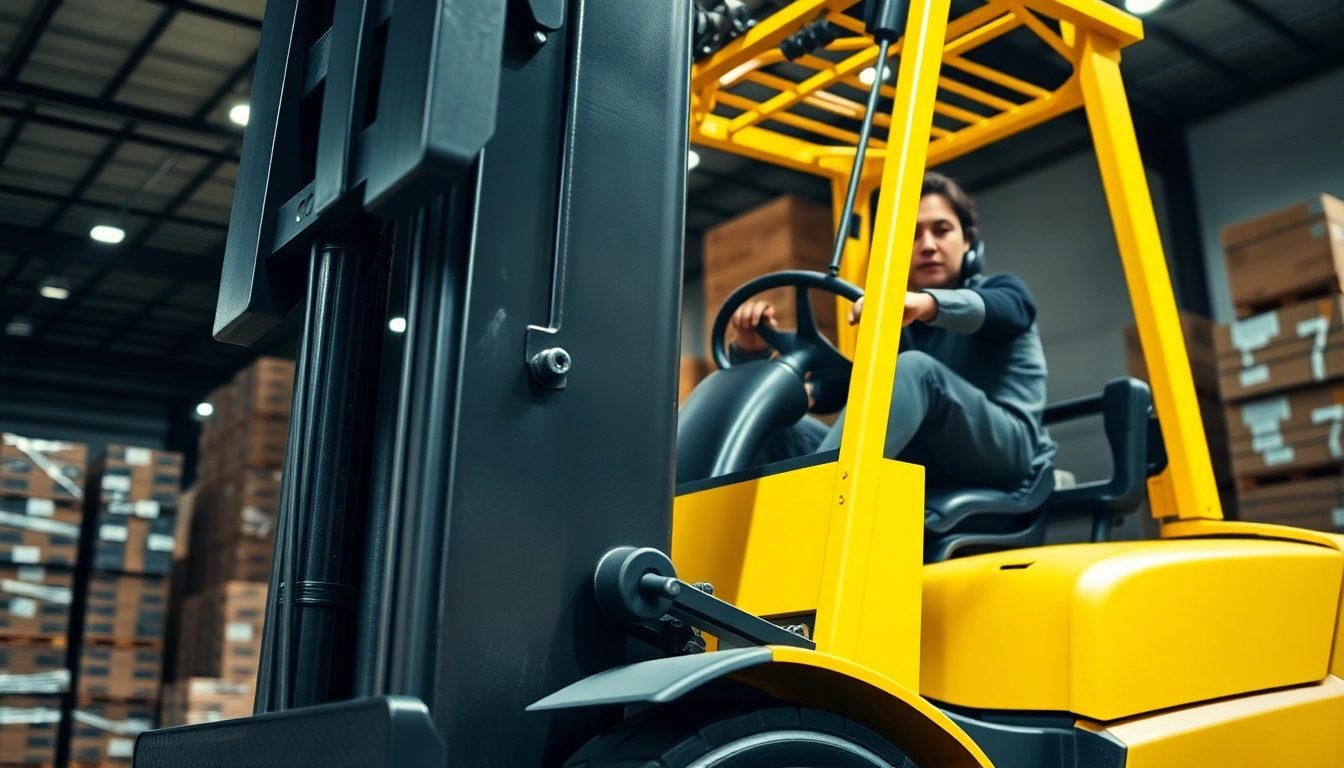
When it comes to material handling, selecting the right forklift can significantly influence the efficiency and safety of your operations. With a variety of models and configurations available, understanding how to choose the optimal forklift is crucial for both productivity and workplace safety. This section delves into the essential aspects of choosing the right forklift for your needs.
Understanding Different Forklift Types
Forklifts are categorized into several classes, each designed for specific applications. Understanding these categories is pivotal in making informed decisions:
- Class I: Electric Motor Rider Forklifts - Ideal for indoor use, these forklifts are clean, quiet, and efficient.
- Class II: Electric Motor Narrow Aisle Forklifts - Perfect for high-density warehousing, narrow aisle forklifts optimize space by maneuvering easily in tight spots.
- Class III: Electric Pallet Jacks - Best used for transporting pallets over short distances, they are highly versatile.
- Class IV: Internal Combustion Cushion Tire Forklifts - These are robust machines used mostly indoors on smooth surfaces.
- Class V: Internal Combustion Pneumatic Tire Forklifts - Built for rough terrain, these forklifts excel in outdoor conditions.
Each type is optimized for different scenarios, and recognizing the operational requirements of your facility will guide you in selecting the appropriate model.
The Impact of Forklift Size and Capacity
Choosing the right size and capacity of a forklift is imperative to ensure safe and efficient operations. Capacity is often defined in terms of the maximum weight the forklift can handle, typically ranging from 3,000 to 50,000 pounds. It's essential to evaluate the following factors:
- Load Weight: Always select a forklift that can handle your heaviest loads comfortably.
- Load Dimensions: Ensure the forklift's forks can accommodate the size of the pallets or materials you intend to lift.
- Working Environment: The forklift's dimensions must be compatible with the physical layout of your workspace, including aisle widths and height restrictions.
- Lift Height: Consider the vertical reach required for storage or transfer tasks, ensuring the forklift can extend to the necessary height without compromising stability.
Safety Considerations When Selecting a Forklift
Safety is a non-negotiable aspect of operating any forklift. The right selection can mitigate many risks associated with loading, unloading, and transporting materials within your facility. Key safety considerations include:
- Operator Training: Ensure operators are properly trained and certified in forklift operation.
- Safety Features: Look for safety features such as stability systems, backup alarms, and fire suppression systems.
- Load Management: Understand the load limits and ensure ongoing monitoring of loads to prevent overloading.
- Environmental Conditions: Select forklifts equipped for the specific conditions of your work environment, including wet or uneven surfaces.
How to Operate Forklifts Safely and Efficiently
Efficient and safe forklift operation is essential in maximizing productivity while minimizing risks. This section covers best practices and operational protocols to ensure you're navigating these powerful machines safely.
Pre-operation Checks for Forklifts
Before operating a forklift, conducting thorough pre-operation checks is vital. These checks typically include:
- Visual Inspection: Assess the overall physical condition of the forklift, including the forks, tires, and lights.
- Fluid Levels: Check hydraulic fluid, oil, and coolant levels to ensure proper functionality.
- Brake Functionality: Test the brakes to verify they engage and disengage smoothly.
- Battery Condition: For electric forklifts, confirm that the battery is charged and in good condition.
Best Practices for Forklift Operation
Operating a forklift requires adherence to best practices to enhance efficiency and reduce the likelihood of incidents. Key practices include:
- Load Handling: Always assess the load before moving to confirm weight and stability.
- Clear Visibility: Ensure clear sightlines when transporting loads and use spotters when necessary.
- Speed Control: Operate at safe speeds, especially during turns or when navigating tight spaces.
- Proper Maneuvering: Utilize smooth movements, avoiding sudden accelerations or stops.
Common Mistakes to Avoid When Using a Forklift
Even experienced operators can make mistakes. Being aware of common errors can help prevent accidents. Common mistakes include:
- Overloading: Exceeding load limits can lead to tipping and catastrophic failure.
- Poor Load Placement: Center loads correctly on the forks to maintain balance and stability.
- Neglecting Safety Gear: Always wear appropriate safety gear to reduce injury risks.
- Inadequate Communication: Keep open lines of communication within the team to enhance safety and coordination.
Maintenance Tips to Extend Your Forklift's Lifespan
Regular maintenance not only extends the lifespan of your forklift but also ensures optimal performance. Neglecting maintenance can lead to costly repairs and unsafe operating conditions. Here are key maintenance tips to consider:
Regular Inspection Protocols for Forklifts
Routine inspections can catch problems before they escalate, ensuring your forklift remains in good working condition. Suggested inspection procedures include:
- Daily Inspections: Conduct daily checks as part of the pre-operation protocol.
- Weekly/Monthly Inspections: Implement comprehensive inspections periodically to evaluate the condition of critical components.
- Professional Servicing: Schedule professional servicing at regular intervals to ensure thorough assessments and repairs.
Identifying Common Forklift Issues Early
Being proactive about recognizing issues can help in minimizing downtime and repair costs. Common issues operators should be aware of include:
- Unusual Noises: Listen for abnormal sounds that could indicate mechanical issues.
- Fluid Leaks: Check regularly for leaks that may suggest issues with hydraulic components.
- Poor Lift Performance: A decrease in lift height or load capacity indicates potential problems.
Effective Cleaning and Care for Your Forklift
Keeping your forklift clean enhances its efficiency and longevity. Effective cleaning involves:
- Exterior Cleaning: Regularly clean the forklift to prevent dirt buildup that may affect performance.
- Battery Maintenance: Keep the battery clean and ensure terminals are free of corrosion.
- Fork Care: Inspect and maintain the condition of the forks regularly to ensure proper load handling.
Forklift Rental vs. Purchase: Which is Right for You?
Deciding between renting or purchasing a forklift depends on various factors including budget, frequency of use, and specific application needs. This section analyses both options thoughtfully.
Benefits of Renting a Forklift
Renting a forklift can be an excellent option for businesses with fluctuating needs. Key benefits include:
- Cost-effectiveness: Renting eliminates high upfront costs and maintenance expenses associated with ownership.
- Flexibility: Renting allows for the flexibility to choose different models as per evolving requirements.
- No Long-term Commitment: Rent for short-term projects without being tied to long-term liabilities.
Long-term Considerations for Purchasing a Forklift
On the other hand, purchasing a forklift may be more suitable for businesses with consistent and heavy lifting needs. Considerations include:
- Investment Value: Owning a forklift can be more cost-effective in the long run for frequent users.
- Control Over Maintenance: Ownership gives you full control over maintenance schedules and usage, which can optimize performance.
- Asset Accumulation: Having physical assets adds value to your company's balance sheet.
Financial Implications of Forklift Ownership
The financial aspect of ownership includes initial investment, ongoing maintenance costs, and potential resale value. Key factors to assess are:
- Purchase Price: Consider the budget and the financing options available to you.
- Maintenance Costs: Understand the expected costs associated with upkeep to ensure sustained performance.
- Depreciation Rates: Factor in how much value will depreciate over time, affecting the eventual resale or trade-in value.
FAQs About Forklifts
1. What are the different forklift types?
Forklifts are categorized into different classes: Class I (Electric Motor Riders), Class II (Narrow Aisle Forklifts), Class III (Electric Pallet Jacks), and Class IV (Internal Combustion Cushion Tire Forklifts).
2. How do I safely operate a forklift?
Always conduct pre-operation checks, wear appropriate safety gear, adhere to load limits, and avoid unnecessary speed. Proper training is essential.
3. What is the average lifespan of a forklift?
With proper maintenance, a forklift can last anywhere from 10,000 to 25,000 hours of operation, depending on the conditions and usage.
4. How much can a forklift lift?
Most forklifts have lifting capacities ranging from 3,000 to 50,000 pounds. Ensure the forklift matches your load requirements.
5. Are there certification requirements for forklift operators?
Yes, operators must undergo training and obtain certification to ensure safety and compliance with regulations.