Understanding Hydraulic Cylinder Repair
What is Hydraulic Cylinder Repair?
Hydraulic cylinder repair is the process of diagnosing and fixing faults in hydraulic cylinders, which are integral components in various machinery and equipment. These cylinders operate by using pressurized hydraulic fluid to exert force, which is crucial for the functionality of hydraulic systems in industries such as construction, manufacturing, and transportation. Over time, these cylinders can experience wear and tear, leading to functional issues that necessitate expert repair.
Importance of Hydraulic Cylinder Repair
The significance of hydraulic cylinder repair cannot be overstated. Hydraulic systems power many machines that are essential for various applications, from excavators to lifts. A malfunctioning cylinder can lead to reduced operational efficiency, increased downtime, and potentially catastrophic failures. Proper repair and timely maintenance ensure that hydraulic systems function optimally, thereby extending the lifespan of the machinery and ensuring workplace safety. A proactive approach to hydraulic cylinder repair saves costs in the long run and enhances productivity.
Common Issues Requiring Hydraulic Cylinder Repair
Several issues can lead to the need for hydraulic cylinder repair:
- Fluid Leaks: One of the most common problems, leaks can occur due to worn seals or damaged components.
- Excessive Wear: Continuous operation can cause wear on the internal parts, leading to loss of efficiency.
- Corrosion: Exposure to harmful environmental factors can lead to corrosion of the cylinder’s exterior and interior.
- Damaged Components: External impacts can cause physical damage to the rod or seal, impairing the cylinder's functionality.
Signs Your Hydraulic Cylinder Needs Repair
Leaking Fluids
Fluid leaks are a primary indicator that a hydraulic cylinder requires attention. If you notice oil puddles around the base of the cylinder or dampness on the cylinder's exterior, it indicates that seals may be worn or faulty. Prompt repair is essential to avoid loss of hydraulic fluid, which can severely impair system performance.
Noisy Operation
Unusual noises, such as banging, popping, or grinding sounds during operation, often signal potential issues with the hydraulic cylinder. Noisy performance can indicate internal damage or misalignment, necessitating immediate inspection and possible repair to prevent further damage.
Reduced Performance
A noticeable drop in performance is a major red flag. If machinery operates sluggishly, or if there’s a delayed response when controls are engaged, the hydraulic cylinder might need repair. This reduced performance can result from various factors, including fluid contamination, internal wear, or component failure.
Step-by-Step Hydraulic Cylinder Repair Process
Inspection and Diagnosis
The first step in the hydraulic cylinder repair process is a thorough inspection and diagnosis. This involves examining the cylinder's components to identify the source of any issues. Technicians may use diagnostic tools to evaluate cylinder pressure, operational fluid levels, and overall performance metrics. Proper diagnosis is crucial as it guides the subsequent repair processes.
Disassembly and Cleaning
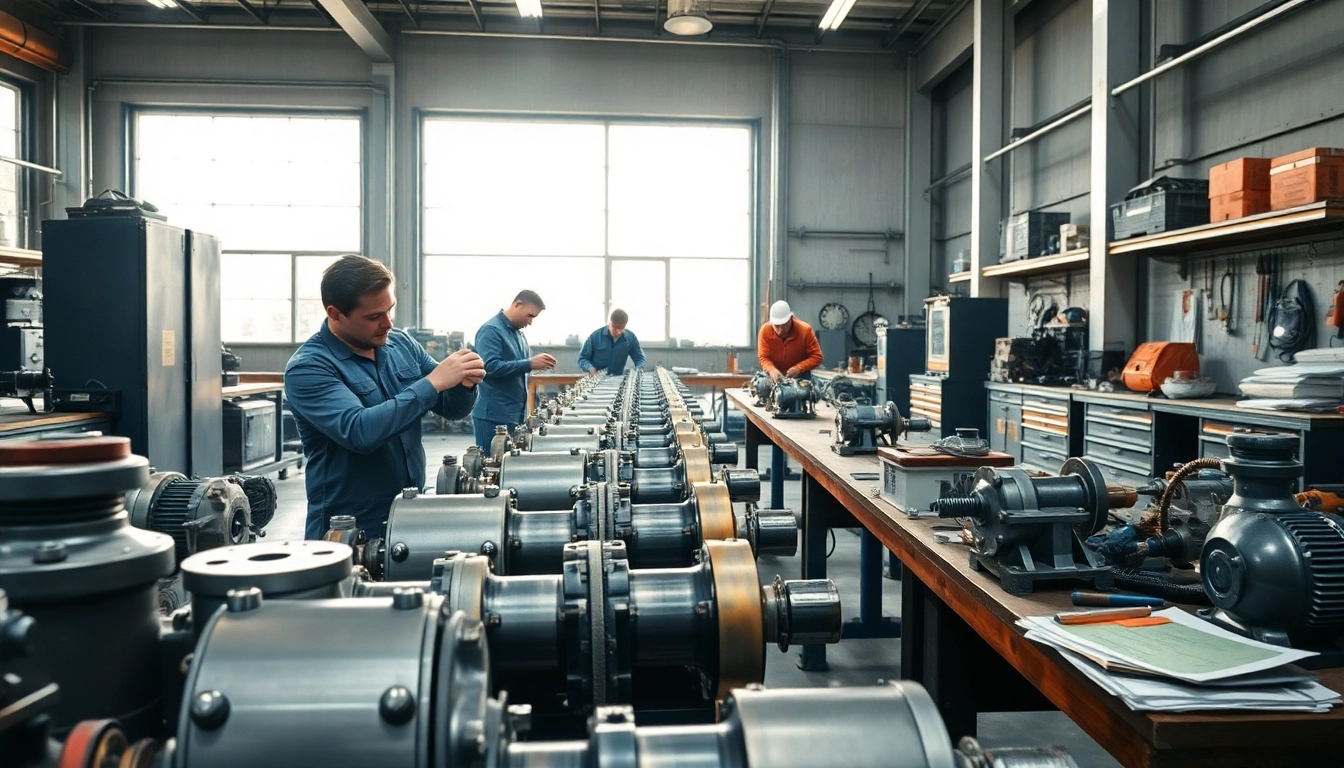
Once the problem has been identified, the next step is disassembly. This involves carefully taking apart the hydraulic cylinder to access internal components. After disassembly, thorough cleaning is essential to remove any debris, old seals, and contaminants that may have accumulated within the cylinder. This step ensures that no foreign particles interfere with the performance of new parts.
Replacement of Damaged Parts
During the repair process, any damaged or worn-out components must be replaced. This could include seals, rods, or even the cylinder barrel. Utilizing high-quality replacement parts is crucial to ensure the longevity and reliability of the hydraulic cylinder post-repair. Following replacement, the cylinder is then reassembled, and it is imperative to follow manufacturer specifications to ensure everything is put together correctly.
Best Practices for Maintaining Hydraulic Cylinders
Regular Inspections
Conducting regular inspections of hydraulic cylinders is key to preventive maintenance. Such inspections should involve checking for leaks, examining seals, and ensuring all components are functioning as intended. Early detection of potential issues can prevent costly repairs and extended downtimes.
Fluid Quality Management
The quality of hydraulic fluid is critical for the performance of hydraulic systems. Contaminants in the fluid can cause serious damage to cylinders over time. Implementing a fluid management program includes regular checks of fluid levels, testing for contamination, and periodic fluid changes to maintain optimal operating conditions.
Using OEM Parts for Repairs
When it comes to repairing hydraulic cylinders, utilizing Original Equipment Manufacturer (OEM) parts is essential. OEM parts are designed to meet the performance specifications required for hydraulic systems, ensuring a proper fit and optimal performance. This not only improves reliability but also extends the service life of the hydraulic cylinder.
FAQs about Hydraulic Cylinder Repair
What are common signs of hydraulic cylinder failure?
Common signs include fluid leaks, unusual noises, reduced performance, and visible wear on components.
How long does a hydraulic cylinder repair take?
Repair times can vary depending on the issue, but most repairs are completed within a few hours to a day.
Can all hydraulic cylinders be repaired?
Yes, most hydraulic cylinders can be repaired unless severely damaged beyond serviceability.
What tools are needed for hydraulic cylinder repair?
Essential tools include wrenches, seals, lubricants, and inspection gauges to assess the cylinder’s condition.
How often should hydraulic cylinders be serviced?
Hydraulic cylinders should be inspected and serviced regularly, typically every six to twelve months, depending on usage.
For comprehensive guidance on hydraulic cylinder repair, consider consulting professionals or visiting dedicated websites focusing on hydraulic systems. For more information, check out hydraulic cylinder repair.
Contact Information
Call Us: 780.452.2876Email: [email protected]Address: 13111 159 Street Edmonton, AB T5V 1H6