Understanding Plant 3D Spools Generation Basics
The process of generating spools in Plant 3D is vital for the construction and installation of piping systems in various industries such as oil and gas, petrochemical, and architecture. To effectively manage workflows and enhance productivity, understanding the fundamentals of Plant 3D spools generation is essential.
What are Plant 3D Spools?
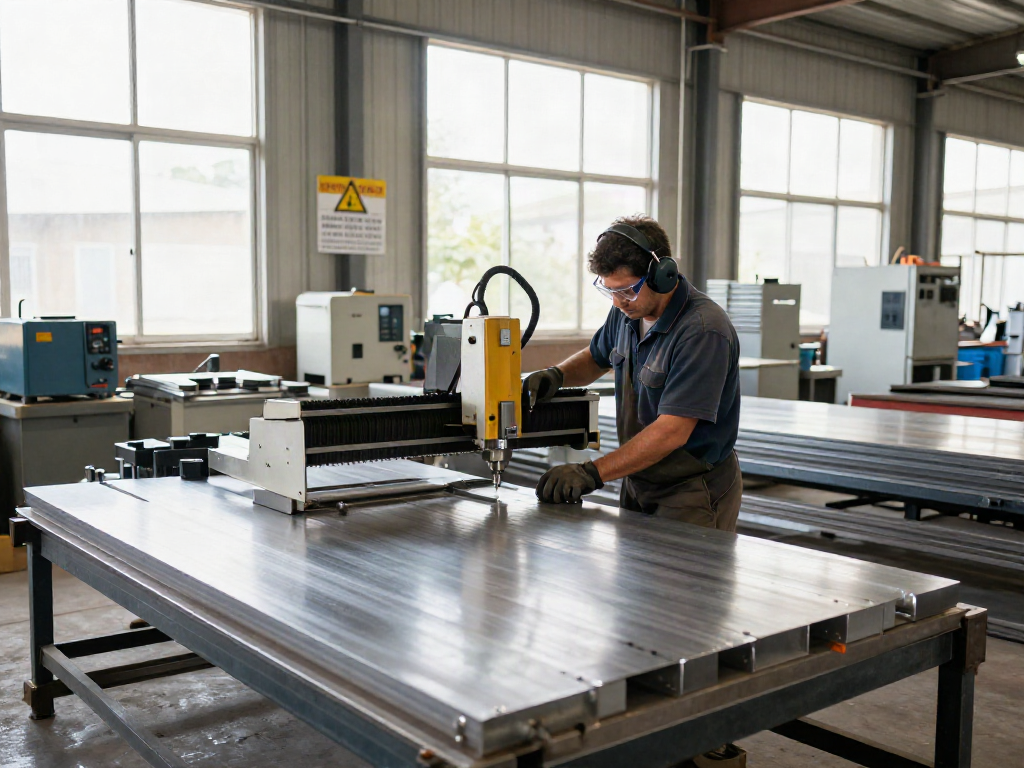
Plant 3D spools are fabricated assemblies of piping components, fittings, and valves that are assembled modularly for easy transport and installation. Each spool is typically manufactured and tested independently before being shipped to the construction site, reducing on-site assembly time and labor costs. Spooling helps in organizing and simplifying the complexity of large piping systems, allowing for improved quality control.
The Importance of Spool Drawings
Spool drawings act as blueprints detailing the exact layout and specifications of each piping segment. These drawings are crucial for fabricators and installers as they provide necessary information regarding dimensions, materials, and the assembly process. Accurate spool drawings ensure compliance with design specifications and are essential for effective project management, reducing the risk of errors and rework.
Key Terminology in Spool Generation
To effectively navigate the realm of Plant 3D spools generation, familiarizing oneself with specific terminology is crucial. Some key terms include:
- Spool Number: A unique identifier assigned to each spool for tracking and organization.
- Isometric Drawing: A representation that illustrates piping in three dimensions to convey details regarding dimensions and material.
- Fabrication: The process of assembling pipes and components into spools.
- Line Number: A reference used in plant designs to identify piping systems and their connections.
- Bill of Materials (BOM): A comprehensive list of raw materials, components, and parts required to produce a spool.
Best Practices for Effective Spool Creation
Software Tools for Plant 3D Spools Generation
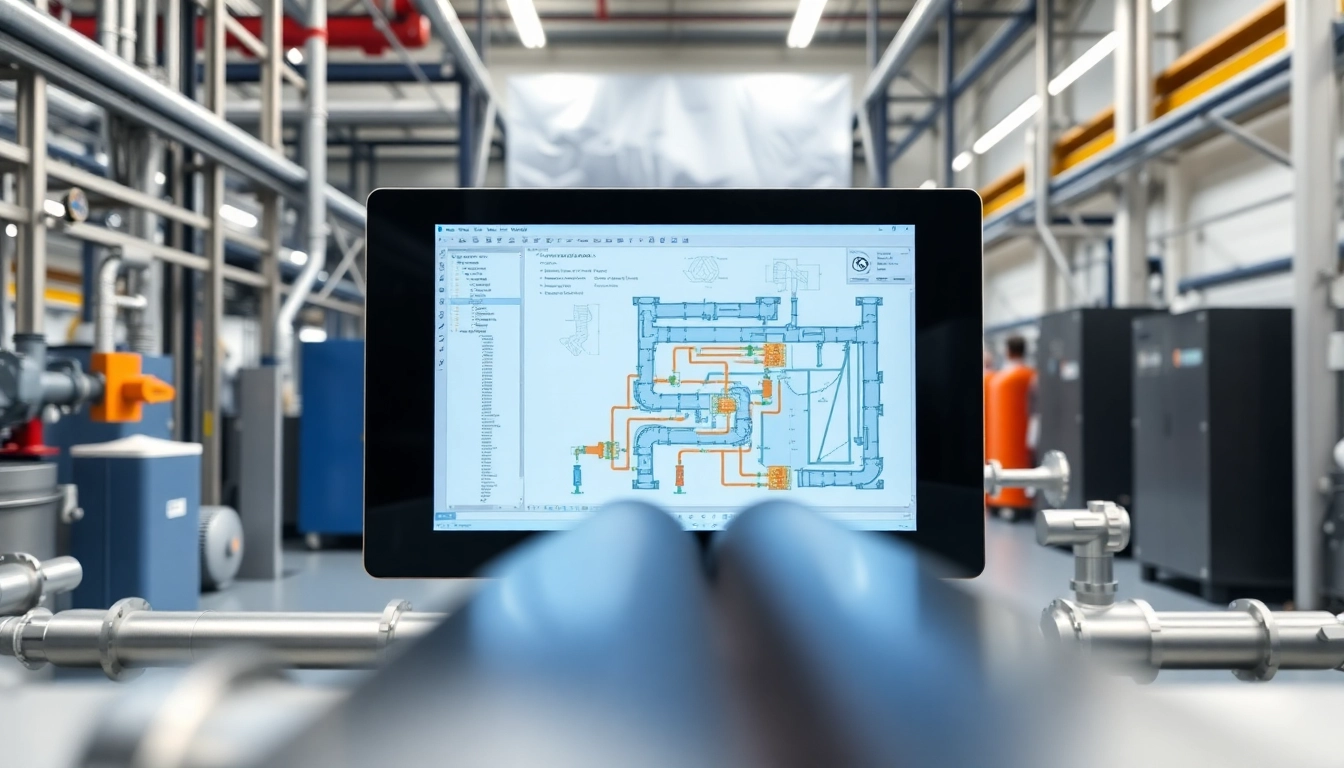
The selection of appropriate software tools is fundamental for efficient spool generation. Tools like AutoCAD Plant 3D are industry-standard solutions that provide features to streamline the design and fabrication processes. These tools allow for integrated 3D modeling, enabling drafters and engineers to visualize piping systems in complex environments effectively.
Techniques for Accurate Spool Measurements
Accurate measurements are crucial for the successful generation of spools. Consider the following techniques to enhance measurement accuracy:
- Utilize Laser Scanning: Laser scanning technology can capture the existing conditions accurately, helping to ensure that the new components fit correctly with existing structures.
- Employ Dimensional Tolerances: Proper dimensional tolerances in your designs can help facilitate easy installation and compatibility.
- Regular Quality Checks: Implement a system of regular quality inspections throughout the design and fabrication process to catch deviations early.
Ensuring Compliance with Engineering Standards
Compliance with relevant engineering standards and codes is essential for the quality and safety of spool designs. Familiarity with standards such as ASME, API, and ANSI will guide fabricators during the design, fabrication, and inspection phases. Adherence to these standards not only enhances safety but also minimizes the risk of regulatory issues.
A Step-by-Step Guide to Generate Spools
Setting Up Your Project Environment
Setting up the project environment in Plant 3D involves creating a project database and configuring essential settings. Start by defining the project parameters, including the project name and location, which will help in organizing files and filesystems. Make sure to set up the drawing templates and styles that align with your project specifications.
Inputting Specifications and Parameters
Once the project environment is established, the next step involves inputting specifications such as the types of piping materials, dimensions, and special requirements for each component. In Plant 3D, users can employ the spec editor to create and manage detailed specifications. This guarantees that all necessary information is readily available for generating accurate spool drawings.
Finalizing and Exporting Spool Drawings
After the spools have been effectively modeled, you'll need to generate and finalize the spool drawings by converting your 3D models into 2D representations. This process typically involves exporting the drawings in formats like DWG or PDF for review, approval, and distribution. Quality control checks should be conducted to ensure that all drawings conform to project standards before submission to fabrication.
Common Challenges in Spool Generation
Identifying and Resolving Spool Conflicts
Spool conflicts often arise from misalignment between model nodes or miscommunication among team members. To mitigate this, utilizing clash detection tools within your software can streamline the identification of conflicts early in the design phase. Regular communication and collaborative modeling will also enhance visibility and accountability among team members.
Managing Spool Numbering Issues
Effective management of spool numbering is crucial for orchestrating fabrication and installation processes. Utilize predefined numbering schemes to maintain consistency throughout the project, closely monitoring for duplicate numbers. An effective numbering system helps simplify tracking and inventory management.
Techniques to Avoid Rework in Spool Design
Rework can lead to significant delays and increased costs. To avoid rework, ensure that regular peer reviews of spool designs are conducted, utilizing feedback to make necessary adjustments early on. Engaging all stakeholders in the design and review process can significantly reduce the likelihood of changes later in the project.
Future Trends in Plant 3D Spools Generation
Innovations in 3D Modeling Software
Advancements in 3D modeling software continue to reshape the landscape of spool generation. Features such as enhanced visualization tools, improved user interfaces, and more sophisticated analysis functions are emerging. These innovations are aimed at further reducing errors and improving design outcomes, allowing engineers to produce more complex models with greater ease.
The Role of Automation in Spool Generation
Automation has begun to play a critical role in enhancing efficiency in spool generation. Automated systems for creating spool drawings and reports minimize human error and significantly speed up workflows. Implementing these automated systems can lead to more reliable outputs and improved resource management throughout the project lifecycle.
Impact of Industry 4.0 on Engineering Practices
The advent of Industry 4.0 presents a paradigm shift in engineering workflows, emphasizing the integration of intelligent technologies and data-driven decision-making. Smart manufacturing technologies, such as IoT and AI, will encourage real-time monitoring and predictive maintenance, leading to enhanced operational efficiency in spool generation.
FAQs about Plant 3D Spools Generation
What are the primary benefits of using spools in piping?
Spools reduce on-site assembly time, enhance quality control, minimize labor costs, and simplify logistics.
How can I ensure accurate measurements in spool designs?
Utilize laser scanning technology and apply dimensional tolerances in your designs to enhance accuracy.
What software is best for spool generation?
AutoCAD Plant 3D is widely used in the industry for efficient and effective spool generation.
How do I resolve spool conflicts during design?
Employ clash detection tools and facilitate regular team communication to identify and resolve conflicts efficiently.
Can automation enhance spool generation processes?
Yes, automation can streamline workflows, reduce errors, and improve reliability in the spool generation process.