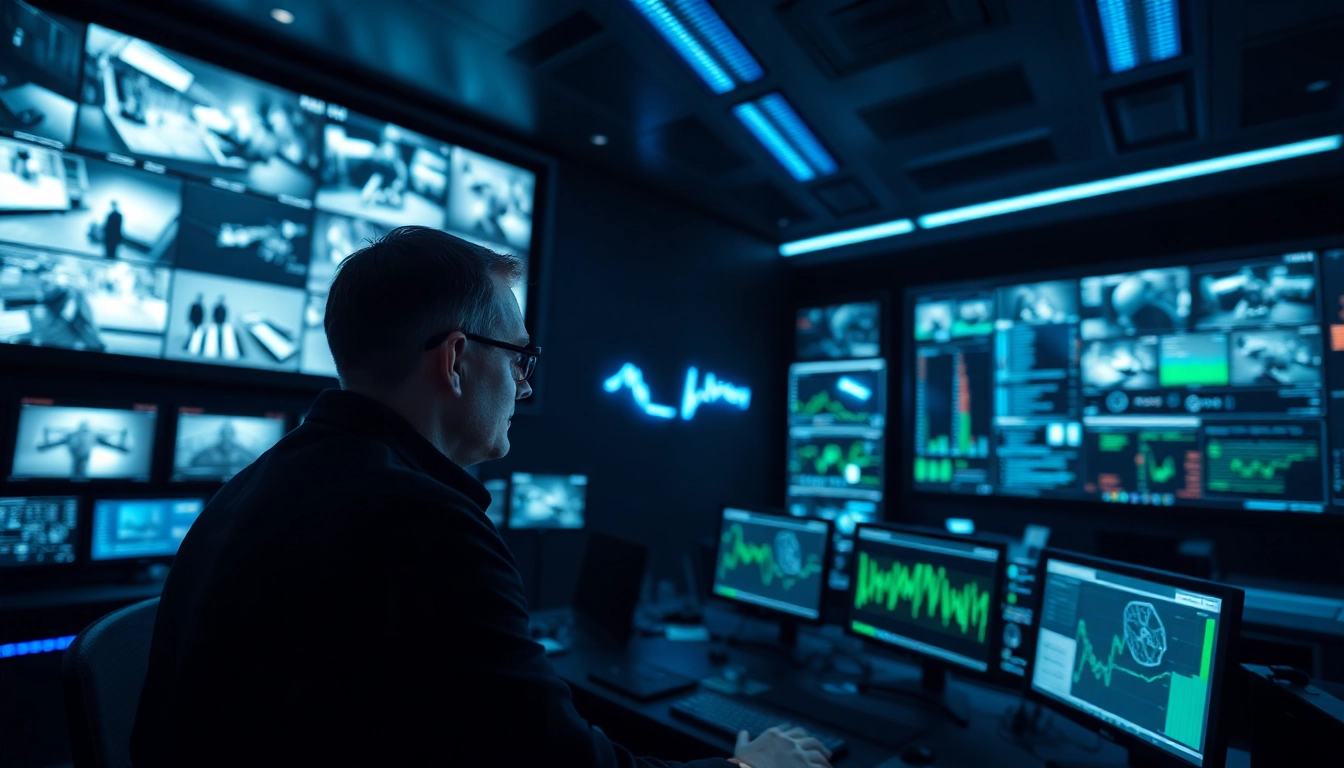
Introduction to Video Surveillance Analytics
In an age where safety and efficiency are paramount, the integration of technology within surveillance systems has transformed how security is enforced across various sectors. Video surveillance analytics stands at the forefront of this evolution, leveraging data-driven insights to enhance security protocols, optimize operations, and provide actionable intelligence. This article delves deep into the world of video surveillance analytics—its history, benefits, applications, and future prospects.
What is Video Surveillance Analytics?
Video surveillance analytics refers to the analytical processes that empower surveillance systems to not only capture footage but also analyze it to derive meaningful insights. By utilizing advanced algorithms and machine learning technologies, these systems can automatically detect, classify, and respond to various scenarios in real-time. The data collected is invaluable in identifying security breaches, monitoring crowd behaviors, and processing video feeds to improve decision-making.
Historical Evolution of Surveillance Technologies
The technological landscape of surveillance has undergone significant transformation over the decades. From analog CCTV systems that simply recorded footage to today's sophisticated digital surveillance solutions, the progress has been remarkable. Initially, administrators would manually review hours of footage, a process that was not only time-consuming but also prone to human error. The introduction of digital video recorders (DVRs) changed the game by allowing for easier storage and retrieval of video data.
With the advent of artificial intelligence (AI) and machine learning, the surveillance landscape has further evolved. Today's systems can analyze video data in real-time, offering insights previously unimaginable. These advancements signify a shift from passive observation to active intelligence gathering, paving the way for proactive security measures.
Core Components of Video Surveillance Analytics Systems
A video surveillance analytics system comprises several core components:
- Cameras: High-definition cameras equipped with wide-angle lenses and low-light capabilities can capture detailed footage in various environments.
- Analytics Software: This is the brain of the system, leveraging algorithms to analyze video streams for specific behaviors, patterns, or anomalies.
- Storage Solutions: Advanced storage options allow for secure and scalable data storage, enabling easy access and retrieval of footage when needed.
- User Interface: A user-friendly interface allows operators to interact with the system efficiently, setting parameters for what to monitor and receiving alerts.
Benefits of Video Surveillance Analytics
Enhanced Security and Incident Detection
The primary benefit of video surveillance analytics is significantly improved security. By utilizing real-time analytics, surveillance systems can detect incidents such as unauthorized access, loitering, or suspicious behavior almost instantaneously. For instance, motion detection algorithms can alert security personnel when an intrusion occurs, allowing for prompt intervention. This proactive approach not only improves response times but also acts as a deterrent against potential criminal activity.
Business Intelligence and Operational Efficiency
Beyond enhancing security, video surveillance analytics provides critical insights into operational efficiency. Businesses can analyze customer behaviors within a retail environment to understand foot traffic patterns and optimize store layouts accordingly. This data can lead to better product placements and increased sales, as companies can respond to actual consumer habits rather than guesses.
Moreover, operational metrics such as dwell times and conversion rates can be extracted from data analytics, helping businesses to refine their strategies effectively. Businesses that utilize video analytics in their operations often experience considerable improvements in both customer satisfaction and revenue generation.
Cost-Effectiveness and Resource Optimization
While the initial investment in video surveillance analytics technology may be significant, the long-term cost-effectiveness can be profound. By reducing dependency on manpower for monitoring and minimizing losses due to theft or inefficiencies, companies can save substantial amounts of money. Additionally, automated systems can continue to function effectively, offering consistent monitoring without the fatigue associated with human oversight.
Resource optimization is another key benefit, as organizations can allocate security personnel to more critical tasks rather than monitoring screens for potential issues. By relying on analytics, they can focus on response and management rather than observation.
Common Applications of Video Surveillance Analytics
Retail and Customer Behavior Analysis
Retail environments are perhaps the most common applications for video surveillance analytics. By analyzing customer behavior, retail businesses can gain insights into which products attract the most attention, assess peak shopping times, and even gauge customer satisfaction based on their movements within the store. Heat-mapping technologies capture areas of high activity, allowing retailers to optimize product placements and marketing strategies accurately.
Traffic Management and Safety
Cities utilize video surveillance analytics to monitor traffic patterns, detect accidents, and manage public safety. By processing video feeds from cameras positioned at intersections or along roadways, traffic management systems can adjust signal timing based on real-time traffic conditions. Moreover, it significantly reduces response times in the event of accidents or emergencies, enhancing public safety.
In public transport systems, video analytics can track passenger movements and ensure compliance with safety regulations, allowing authorities to respond proactively to potential issues such as overcrowding or emergency situations.
Smart City Implementations
As urbanization continues to rise, smart city initiatives are becoming increasingly common. Integrating video surveillance analytics with other technologies such as IoT devices can lead to smarter public spaces that enhance the quality of life for citizens. For example, city planners can utilize analytical data to monitor waste management, public transport efficiency, and emergency response effectiveness.
In this context, video surveillance becomes a vital tool for ensuring urban safety, sustainability, and efficiency, thereby contributing to enhanced living standards and smarter governance.
Best Practices for Implementing Video Surveillance Analytics
Selecting the Right Technology and Tools
Choosing the right technology is critical for a successful implementation of video surveillance analytics. Organizations should assess their specific needs—such as the scale of operations and types of surveillance required—to determine the most suitable hardware and software solutions. Opting for modular systems can also ensure future scalability as operational demands evolve.
Data Privacy and Compliance Considerations
With the deployment of surveillance analytics, data privacy cannot be overlooked. Organizations must comply with relevant regulations and guidelines regarding the collection, processing, and storage of video data. It is essential to implement necessary security measures to protect sensitive data from unauthorized access and misuse. Transparency with stakeholders is crucial to maintaining trust and ensuring that surveillance measures comply with ethical standards.
Evaluating and Monitoring System Performance
The effectiveness of video surveillance analytics systems relies heavily on regular evaluation and performance monitoring. Organizations should establish performance metrics and key performance indicators (KPIs) to assess the system's effectiveness continually. Regular audits can help identify potential gaps in coverage, enabling timely adjustments to optimize security measures and data analysis capabilities.
Future Trends in Video Surveillance Analytics
Integrating AI and Machine Learning
The future of video surveillance analytics lies in the integration of AI and machine learning technologies. These innovations will enable more advanced predictive analytics capabilities. By analyzing historical data trends, organizations will better anticipate potential incidents and risks before they occur, allowing for even more proactive security measures.
Furthermore, AI technologies will enhance object recognition, facial recognition, and behavioral analysis, making surveillance systems smarter and more effective at distinguishing between ordinary and suspicious activity.
Advancements in Real-Time Data Processing
As technology advances, real-time data processing capabilities will continue to evolve. Edge computing, for instance, will allow analytics to occur closer to the data source, thus reducing latency and increasing the speed of incident response. This will be especially beneficial in scenarios where immediate action is required, such as in public safety or emergency responses.
Challenges Ahead and Emerging Solutions
Despite the promising future of video surveillance analytics, challenges will inevitably arise. Data overload, ethical concerns, and integration issues with existing systems are just a few hurdles that organizations might face. However, emerging solutions—such as AI-driven filtering algorithms to reduce noise in video data or advanced user training programs—can address these challenges, allowing organizations to harness the full potential of video surveillance analytics effectively.
Frequently Asked Questions
What is the difference between video surveillance and video surveillance analytics?
Video surveillance primarily involves recording and monitoring video feeds, while video surveillance analytics uses software to interpret that footage for actionable insights, such as detecting movement or identifying specific behaviors.
Is video surveillance analytics cost-effective?
Yes, while initial costs may be high, the long-term benefits such as enhanced security, reduced losses, and optimized operations typically outweigh these initial investments, making it cost-effective.
Can video surveillance analytics be used for small businesses?
Absolutely! Video surveillance analytics can be tailored to fit businesses of all sizes, providing valuable insights to enhance security and efficiency, even in smaller operations.
How does data privacy affect video surveillance analytics?
Data privacy regulations must be considered when implementing video surveillance analytics. Organizations need to comply with laws related to data collection and ensure that video footage is securely handled and stored.
What advancements are expected in video surveillance analytics?
Future advancements may include greater integration of AI and machine learning, enhanced real-time data processing capabilities, and improved systems for processing video data to yield actionable insights faster and more accurately.