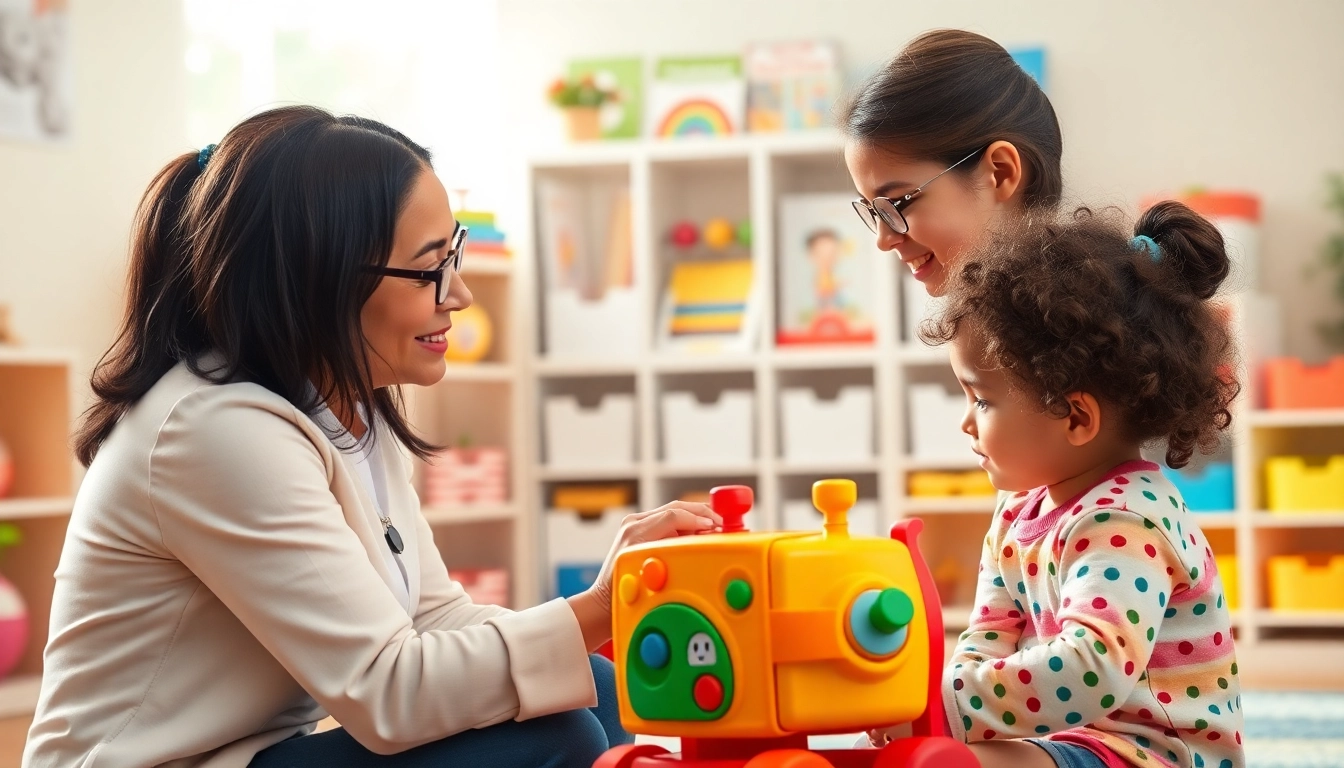
1. Introduction to ABA Therapy for Kids
What is ABA Therapy?
Applied Behavior Analysis (ABA) therapy is a scientific approach that emphasizes understanding and analyzing behaviors to implement techniques that foster positive change. This therapy is particularly beneficial for children, especially those diagnosed with Autism Spectrum Disorder (ASD). Through tailored interventions, ABA therapy promotes skills that enhance learning and social interaction, laying a foundation for a brighter future. ABA practitioners focus on observable behavior changes and quantify improvement, making this method data-driven and effective for various developmental needs.
Importance of Early Intervention
Research indicates that early intervention can significantly improve the trajectory of a child's development. Starting ABA therapy at a young age enables children to acquire critical skills quickly and effectively, minimizing the development gap often seen in children with autism. The earlier the child begins therapy, the higher the chances of successful integration into social settings, schools, and community activities. Families that initiate ABA therapy early report improvements in their children’s cognitive function, socialization, and communication skills.
Core Principles of ABA Therapy
ABA therapy is founded on several core principles that guide its application and effectiveness. These include the use of positive reinforcement, the importance of measurable goals, and the necessity of individualized treatment plans. The practice recognizes that each child is unique, and therefore, interventions must be tailored to their specific needs and family dynamics. Additionally, ABA focuses on ongoing assessment and adjustment of strategies based on the child's progress, ensuring that the interventions remain relevant and effective.
2. How ABA Therapy Supports Child Development
Communication Skills Enhancement
One of the most notable benefits of ABA therapy is its impact on communication skills. Children undergoing ABA therapy are taught to express their needs and desires more effectively, using verbal and non-verbal communication methods. These can range from simple gestures to complex conversational skills. Techniques such as modeling, prompting, and reinforcement facilitate an interactive communication style, helping children not only to articulate but also to listen and respond appropriately in conversations.
Behavioral Improvements Through ABA Therapy for Kids
ABA therapy is instrumental in addressing challenging behaviors often seen in children with autism. By identifying triggers and reinforcing positive behaviors, therapists equip children with alternative coping strategies. For example, if a child tends to have tantrums in stressful situations, ABA helps them learn how to express their discomfort through words or ask for help instead. Tracking these behavioral changes can also provide a roadmap for further progress in therapy sessions, ensuring consistency and the opportunity for further skill development.
Social Skills and Interaction Growth
Social skills are crucial for children’s overall development and integration into society. ABA therapy uses structured social scenarios to teach children how to interact appropriately with peers and adults. Techniques like role-playing, social stories, and real-life practice help children understand social cues, take turns, and share with others. These interactions foster self-confidence, making it easier for kids to engage in playgroups, school settings, and community activities.
3. Implementing ABA Therapy Techniques at Home
Fun Strategies for Parents
Parents play a vital role in reinforcing skills learned during ABA therapy sessions. Incorporating fun and engaging strategies at home makes learning enjoyable and less daunting for children. Examples include using games that promote turn-taking, storytelling that encourages conversation, or daily routines where children can practice specific skills. Creative activities not only enhance learning but also strengthen the parent-child bond, making the educational process more relatable.
Creating a Supportive Environment
Establishing a supportive home environment is essential for effective ABA therapy implementation. This includes minimizing distractions during skill practice sessions, creating a calm and organized space, and scheduling regular times for learning activities. Parents can also cultivate an encouraging atmosphere by celebrating each child's small successes and providing emotionally supportive feedback. Building a routine can further solidify habits, allowing children to anticipate and prepare for various activities throughout their day.
Tracking Progress Effectively
Monitoring a child’s progress in ABA therapy is crucial for evaluating the success of interventions. Parents can create simple charts or logs to document daily achievements and challenges, allowing both parents and therapists to assess what works and what needs adjustment. Using tools such as behavioral checklists or online tracking apps can provide visual representations of progress, thereby drawing motivation from tangible improvements. By weaving tracking into daily life, it promotes accountability and encourages continued engagement from the child.
4. Overcoming Common Challenges in ABA Therapy
Barriers to Implementation
Despite its proven effectiveness, several barriers can hinder the efficacy of ABA therapy for children. These may include access to qualified therapists, financial constraints, and a shortage of resources or support networks. Furthermore, the child's own resistance to practice unfamiliar or challenging skills can be a hurdle. Addressing these barriers often requires open communication with therapists, exploring telehealth opportunities, and seeking community resources, ensuring families receive the necessary support for successful implementation.
Adapting Techniques for Individual Needs
Each child with autism possesses unique abilities and challenges. Therefore, adapting ABA techniques to suit the child’s individual needs becomes paramount. This could involve modifying the setting, changing reinforcement strategies, or utilizing alternative communication devices. Flexibility within the therapy can allow for more personalized approaches, ultimately empowering children to build on their strengths while addressing specific challenges effectively.
Maintaining Consistency and Engagement
Consistency is a key component of successful ABA therapy. Family members can strategically reinforce behaviors and skills taught during therapy sessions throughout daily life. Engage children in various settings—such as home, school, and community events—to encourage generalization of skills. To maintain engagement, vary activities and introduce new materials that align with the child’s interests, ensuring learning continues to be a dynamic and captivating process.
5. FAQs About ABA Therapy for Kids
What age is suitable for starting ABA therapy?
Children as young as 18 months can benefit from ABA therapy, as early intervention is crucial for effective skill development.
How can I find a qualified ABA therapist?
Look for certified ABA therapists through professional organizations or local health services. Ensure they have experience with children and are licensed.
Are there any tools for tracking progress?
Many ABA programs offer tracking sheets, apps, or software to help parents and therapists monitor progress effectively over time.
Is ABA therapy effective for all children?
While ABA therapy is beneficial for many children, its effectiveness can vary based on individual needs, characteristics, and engagement levels.
Can parents participate in therapy sessions?
Yes! Parental involvement is encouraged to reinforce skills at home, ensuring a collaborative approach that boosts the child's learning experience.
Contact Information
Call Us:+1 248-308-5966Email: [email protected]Address: Novi, MI, United States, 48375