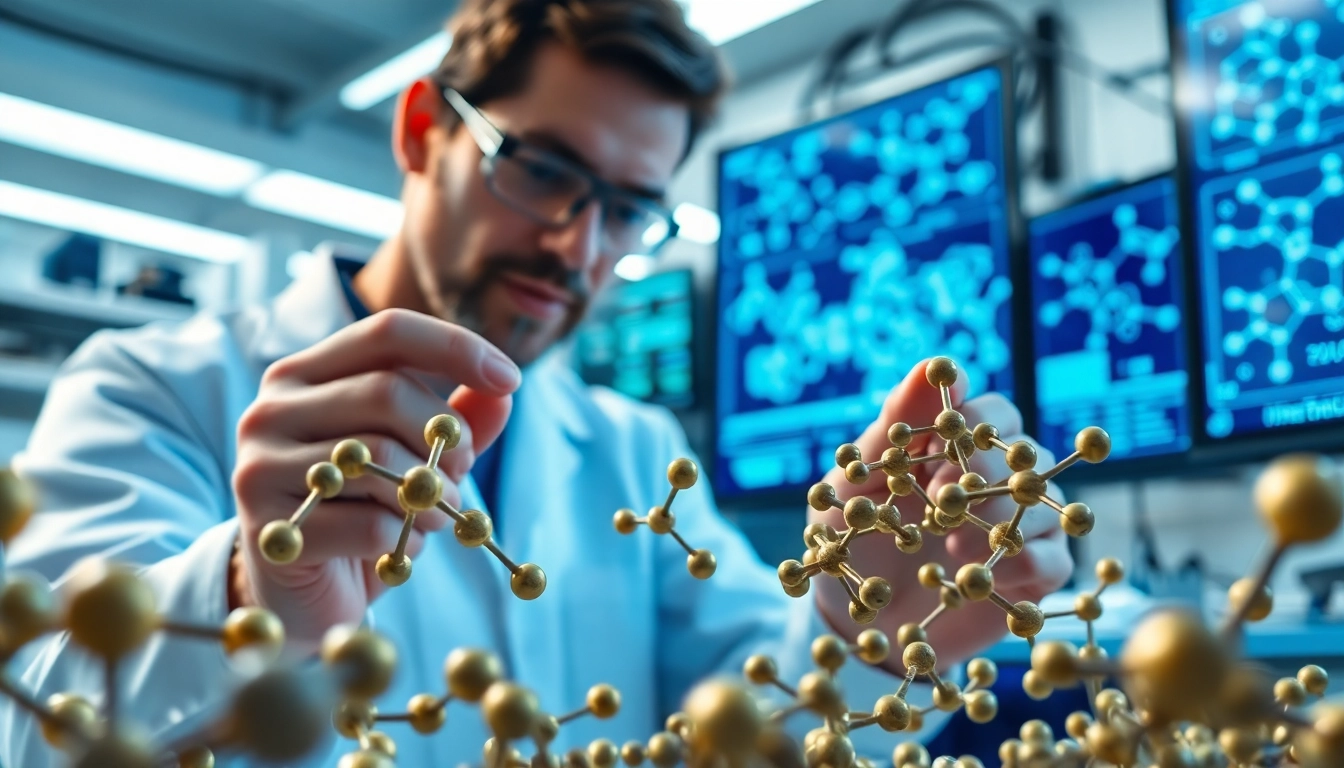
Understanding Peptides: Basics and Definitions
What are Peptides?
Peptides are short chains of amino acids, linked by peptide bonds, that form the building blocks of proteins. Comprising typically between two to fifty amino acids, these molecules play critical roles in various biological processes, including hormonal regulation, immune responses, and cellular signaling. Their relatively small size allows for unique interactions with receptors, making them essential components in biochemistry. They differ from proteins, which are usually larger and more complex in structure.
Historical Context of Peptide Research
The study of peptides dates back over a century. One critical milestone was the identification of insulin as a peptide hormone, which initiated a surge in peptide research. Subsequent developments included the synthesis of peptides, paving the way for therapeutic applications. The 1950s and 1960s saw notable advances, such as the discovery of various neuropeptides that regulate functions like mood and pain. This historical context highlights the evolving understanding of peptides as vital biomolecules in both health and disease.
Significance of Peptides in Biochemistry
Peptides act as signaling molecules and play a crucial role in biochemical pathways. They interact specifically with receptors on cell surfaces, triggering a cascade of cellular responses that regulate numerous physiological functions. The importance of peptides extends to their role in drug development, where their ability to target specific biological pathways allows for enhanced therapeutic effects. Understanding peptides' significance encourages ongoing research towards innovative treatments for various diseases.
Mechanisms of Action: How Peptides Work
Peptide Interaction with Cellular Receptors
Peptides interact with cellular receptors via high specificity, much like a lock and key. This interaction triggers various cellular responses, depending on the nature of the peptide and the receptor. For instance, insulin, a peptide hormone, binds to its receptor on muscle and fat cells, facilitating glucose uptake. Knowledge of these interactions is crucial for the development of peptide therapeutics designed to treat metabolic disorders and other conditions.
Role of Peptides in Signal Transduction
Signal transduction is a fundamental process in which cells communicate with their environment, and peptides play a vital role in this. Upon binding to receptors, peptides often initiate a signaling cascade involving secondary messengers. This leads to a series of cellular responses that include gene expression changes, enzyme activation, and metabolic adjustments. Understanding these pathways allows scientists to design peptides that can effectively mimic or inhibit natural signaling molecules.
Comparison of Peptides vs. Proteins
While both peptides and proteins consist of amino acids, they differ significantly in their structure and function. Peptides usually contain a shorter chain of amino acids and may not fold into a stable three-dimensional structure, whereas proteins are longer and typically have a well-defined shape. This structural difference impacts their functions; peptides can act swiftly as signaling molecules, while proteins perform a variety of roles including enzymatic, structural, and transport functions in the body. Their differences underscore the unique utility of peptides in therapeutic contexts.
Applications of Peptides in Therapeutics
Peptides in Hormone Therapy
Hormone therapy using peptides is a promising area of medicine, particularly for conditions such as diabetes and menopause. For example, synthetic peptides that mimic natural hormones like glucagon-like peptide-1 (GLP-1) are used to improve glycemic control in type 2 diabetes patients. By focusing on specific hormone pathways, peptide-based therapies can be tailored to improve efficacy while minimizing side effects associated with broader treatment modalities.
Antimicrobial Peptides: Opportunities and Challenges
Antimicrobial peptides (AMPs) are naturally occurring peptides that serve as a defense mechanism in many organisms. They work by disrupting microbial membranes, making them attractive candidates for treating antibiotic-resistant infections. However, challenges such as stability, specificity, and potential toxicity need to be addressed in the development of peptide-based antimicrobials. Continued research is needed to optimize these peptides for therapeutic use while managing these challenges.
Developing Peptide-based Vaccines
Peptide-based vaccines represent an innovative approach to immunotherapy. By utilizing specific peptides that elicit strong immune responses, scientists can design vaccines targeting particular pathogens or cancers. These vaccines are often safer and induce a more precise immune response compared to traditional vaccines. Research is currently focused on optimizing peptide delivery methods and adjuvant formulations to enhance their efficacy and stability.
Advancements in Peptide Engineering
Techniques for Peptide Synthesis
New techniques in peptide synthesis have revolutionized the field, particularly solid-phase peptide synthesis (SPPS). This method allows for the rapid and efficient production of peptides in a controlled manner. Advances in automated synthesis and purification technologies have made it feasible to produce complex peptide libraries for drug discovery and therapeutic development. As these techniques continue to improve, the potential for discovering novel peptide-based drugs expands significantly.
Innovative Delivery Systems for Peptide Drugs
Effective delivery systems are critical for the therapeutic success of peptide drugs due to their inherent instability and susceptibility to enzymatic degradation. Novel methods such as nanoparticles, liposomes, and microneedles are being explored to enhance the bioavailability and efficacy of peptide drugs. These systems can improve targeting to specific tissues and ensure that peptides maintain their functional integrity until they reach their site of action.
Case Studies of Successful Peptide Drugs
Several peptide drugs have gained regulatory approval, demonstrating the potential of this therapeutic class. For example, Liraglutide, a GLP-1 analogue, is used to manage type 2 diabetes and has shown significant efficacy in weight management as well. Another notable example is the use of octreotide for treating acromegaly and certain types of tumors. These cases provide valuable insights into the successful application of peptides in clinical settings, reinforcing the need for continual investment in peptide research and development.
The Future of Peptide Research
Emerging Trends in Peptide Therapeutics
The landscape of peptide therapeutics is evolving, with trends such as biosimilars and peptide-drug conjugates gaining traction. Biosimilars provide an opportunity to create cost-effective versions of existing peptide therapies, while peptide-drug conjugates enhance therapeutic specificity by targeting delivery to diseased tissues. These emerging concepts may significantly impact how peptide therapies are developed and used in clinical practice.
Challenges in Peptide Stability and Delivery
Despite their promise, challenges remain related to peptide stability and delivery methods. Proteolytic degradation can limit the effectiveness of peptides in vivo, making formulation strategies crucial for their success. Researchers are investigating various chemical modifications and formulations to enhance stability while ensuring that the peptides retain their biological activity. Overcoming these hurdles will be essential for the future of peptide therapeutics.
Potential of Peptides in Personalized Medicine
The potential for peptide therapies in personalized medicine is substantial. As we move towards tailoring treatments based on individual patient profiles, peptides can provide flexibility due to their specific targeting capabilities. They can be designed to interact with individual cellular mechanisms, optimizing treatment efficacy and minimizing adverse effects. This shift towards personalized approaches will likely transform healthcare paradigms in the coming years.
Frequently Asked Questions
What are the primary functions of peptides?
Peptides mainly act as signaling molecules, hormones, and immune response modifiers. They play key roles in regulating biological processes in the body.
How are peptides synthesized for research and therapeutic use?
Peptides are synthesized using techniques such as solid-phase peptide synthesis (SPPS), which allows for efficient and controlled production of amino acid sequences.
What challenges do antimicrobial peptides face in treatment?
Antimicrobial peptides face challenges related to stability, specificity, and potential toxicity, requiring ongoing research for effective development.
How do peptide-based vaccines work?
Peptide-based vaccines use specific peptide fragments that trigger immune responses against targeted pathogens or cancer cells, providing a tailored therapeutic approach.
What is the future of peptide research?
The future of peptide research involves advancements in personalized medicine, novel delivery systems, and addressing challenges in stability to enhance therapeutic efficacy.
For more information on peptide research and applications, explore amc essentials. Understanding the complexities and applications of peptides can significantly contribute to advancements in modern medicine.