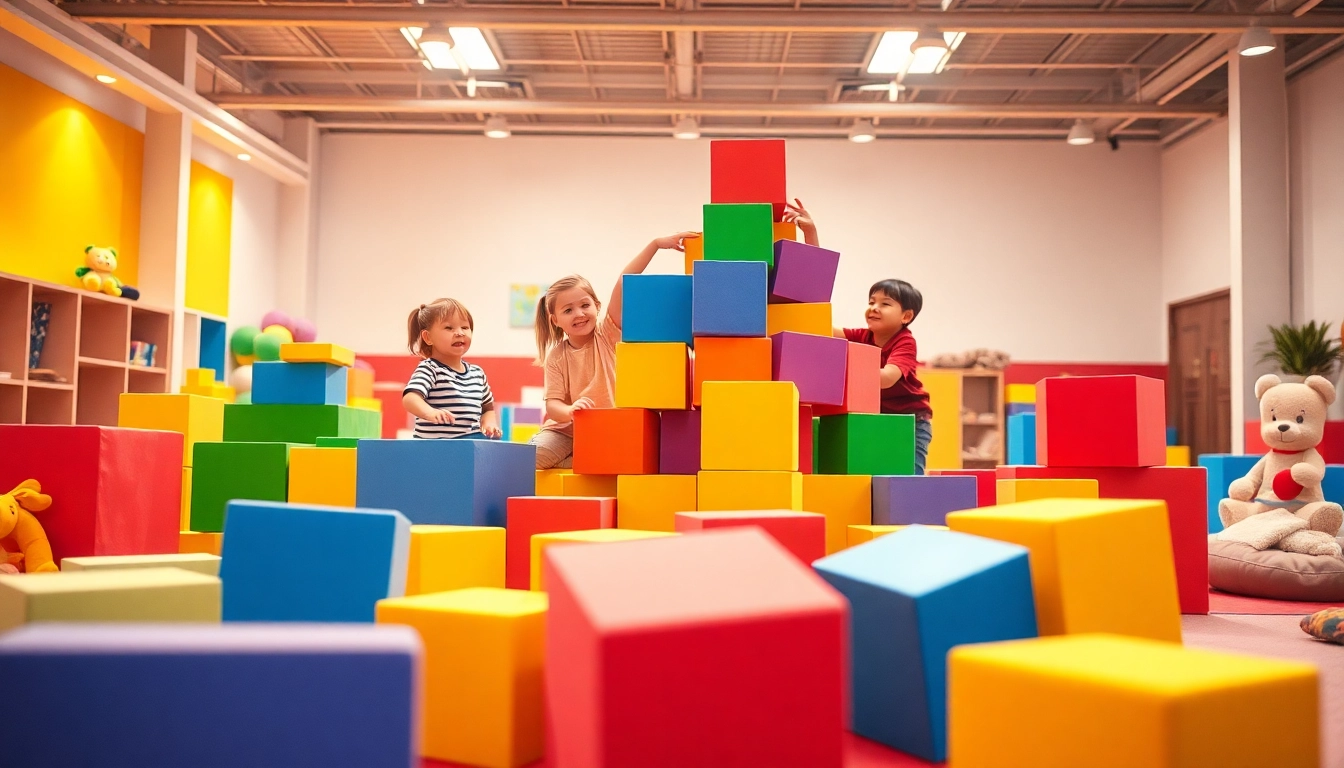
The Benefits of Giant Foam Blocks
Giant foam blocks provide an engaging playtime experience for children. These versatile tools promote a variety of developmental skills while encouraging playful interaction. As parents and guardians look for ways to enhance their children's play experience, it's worth discovering all the advantages that giant foam blocks can offer. To find out more about these innovative toys, consider the following key benefits.
Enhancing Motor Skills
Giant foam blocks serve as dynamic tools for developing fine and gross motor skills in children. Lifting, stacking, and arranging large blocks enhances hand-eye coordination and encourages movement. When children pick up heavy blocks, they engage their entire body, strengthening muscles and improving balance. Incorporating foam blocks into playtime promotes physical well-being while fostering confidence as children master new skills. For instance, a study showed that children who regularly engaged in block play exhibited improved dexterity and spatial awareness compared to their peers.
Encouraging Collaborative Play
Collaboration is an essential aspect of childhood development, and giant foam blocks serve as an excellent catalyst for cooperative play. As children work together to build structures, they practice teamwork, communication, and negotiation skills. This play involves sharing ideas and resources, ultimately leading to a sense of accomplishment. Observing children collaborate during block play can reveal their ability to resolve conflicts and develop empathy, essential attributes that underpin healthy social interactions.
Boosting Creativity and Imagination
When it comes to fostering creativity, few toys allow for as much imaginative play as giant foam blocks. Children can construct anything from massive towers to intricate castles, letting their ideas take form. Every play session is an opportunity for storytelling and creativity, as children invent narratives for the structures they create. Encouraging free play without adult direction promotes self-expression and problem-solving. Studies have emphasized the correlation between creative play and cognitive development, indicating that imaginative play is crucial for innovative thinking.
Types of Foam Blocks Available
The market is filled with various options for foam blocks, each offering unique features suited for different developmental needs and play styles. By understanding the different types available, parents can make informed decisions that align with their children’s play preferences and developmental milestones.
Different Sizes and Shapes
Foam blocks come in an array of sizes and shapes, each promoting distinct forms of play. Larger blocks can be ideal for basic construction tasks and physical play, allowing children to build tall structures that stimulate gross motor skills. On the other hand, smaller blocks are great for intricate designs, fostering fine motor skills. Varied shapes, including cubes, triangles, and arches, challenge children to think critically about balance and stability, enriching their spatial reasoning abilities. Guides and recommendations suggest selecting sets that provide a balance of sizes and shapes for versatile play opportunities.
Colorful Variations for Engagement
Aesthetics play a significant role in attracting children's attention. Foam blocks are available in various vibrant colors that stimulate visual learning and engagement. Brightly colored blocks can aid in developing language skills, as parents and educators can encourage children to name colors while playing. The use of colors also facilitates categorization and sorting games, enhancing cognitive skills. Incorporating colorful foam blocks into playsets makes the overall experience more appealing, thus encouraging longer play sessions and active engagement.
Durability and Safety Features
Safety is paramount when it comes to children's toys. High-quality foam blocks are designed to withstand considerable wear and tear while providing a soft surface that minimizes injury risks. Look for features such as non-toxic materials, smooth edges, and water-resistant finishes to ensure child safety. Additionally, some foam blocks are washable, making maintenance easy. Checking certifications regarding safety standards can further reassure parents about their choices. Ensuring the durability and safety of foam blocks not only fosters worry-free playtime but also extends the lifespan of the toys.
Setting Up the Perfect Play Space
Creating an ideal play environment for giant foam blocks requires thoughtful consideration of location, space, and associated elements to ensure active and safe play. A well-designed play area can greatly enhance the enjoyment and effectiveness of block play.
Choosing the Right Location
Selecting an appropriate location for foam block play is essential. Indoor play areas should ideally be spacious and free from sharp edges or fragile items. Living rooms, playrooms, or basements can be transformed into safe play spaces, while outdoor areas like gardens or yards can offer children the freedom to explore larger constructions. It’s also important to provide a flat surface to make building easier and to prevent blocks from toppling unexpectedly. Selecting a suitable space will allow children to engage fully with their creative instincts.
Incorporating Other Play Elements
Integrating additional play elements can enhance the foam block experience. Adding other materials such as art supplies for decorating blocks can spark creativity, while incorporating sensory elements like fabric and soft toys can make playtime engaging and multifaceted. Consider adding a themed play area, like a construction zone with toy trucks for role-playing scenarios. By cross-connecting different play elements, children can evolve their creative play into complex narratives that enrich their imagination and learning.
Safety Considerations for Indoor Use
While foam blocks are generally safe due to their soft surfaces, taking safety precautions indoors is essential. Removing obstacles from the play area can help prevent accidents, and ensuring that children are supervised will help mitigate any risks. Soft play mats or carpeted surfaces can provide additional cushioning, while rear walls can be created with soft-backed furniture to give children a defined but safe play space. Creating safety protocols not only protects children during play but also fosters a worry-free environment for parents.
Activities to Try with Foam Blocks
Foam blocks are extremely versatile, inviting extensive opportunities for play and learning. Engaging children in various activities can enhance their experience and provide valuable learning moments. Below are a few recommended activities that can enrich playtime.
Team Challenges and Competitions
Transform block play into fun challenges by organizing team competitions. These can include timed building contests or collaborative themed projects. Dividing children into teams encourages collaboration, communication, and teamwork. Monitoring these challenges can help children learn fair play and the importance of constructive feedback. Moreover, teams can engage in problem-solving when facing structural stability issues or limited resources. Such challenges can enhance cognitive and social skills, turning playtime into a dynamic learning experience.
Creative Storytelling Sessions
Foam blocks can serve as a backdrop for imaginative storytelling. Encourage children to build settings or characters from their favorite stories, or invent new narratives entirely. Incorporating puppets or figurines can enhance storytelling, making it a multi-sensory experience. This activity not only fuels creativity but encourages language development as children narrate their stories, enhancing their vocabulary and communication skills. Documenting these storytelling moments can provide lasting memories and discussions that reinforce learning outcomes.
Building and Engineering Projects
For children interested in engineering, foam blocks open the door to hands-on learning about balance, gravity, and design principles. Structured building projects can challenge children’s analytical skills as they consider the architectural aspects of their creations. Parents can incorporate lessons on measurement and geometry, enhancing the educational aspects of playtime. Enriched by guided exploration and experimentation, these projects nurture critical thinking, preparing children for future educational challenges with a solid foundation in design and engineering concepts.
Frequently Asked Questions
How do foam blocks enhance playtime?
Foam blocks enhance playtime by promoting physical activity, encouraging collaboration, and sparking creativity. They support motor skill development and imaginative play, making them versatile learning tools.
What safety features should I look for?
Look for soft edges, non-toxic materials, and compliance with safety standards. Foam blocks should also be durable and easy to clean to ensure safety and accessibility.
Can these blocks be used outdoors?
Yes, many foam blocks are suitable for outdoor play, provided they are made of weather-resistant materials. Be cautious of moisture to maintain durability and avoid slippery surfaces.
How do I clean foam blocks?
Most foam blocks can be wiped down with mild soap and water. Some may also be machine washable or have specific cleaning instructions provided by the manufacturer.
Are there specific age recommendations for use?
Many foam blocks are suitable for children ages three and up, but always check manufacturer guidelines for age-appropriate sizes and safety features to ensure optimal use.