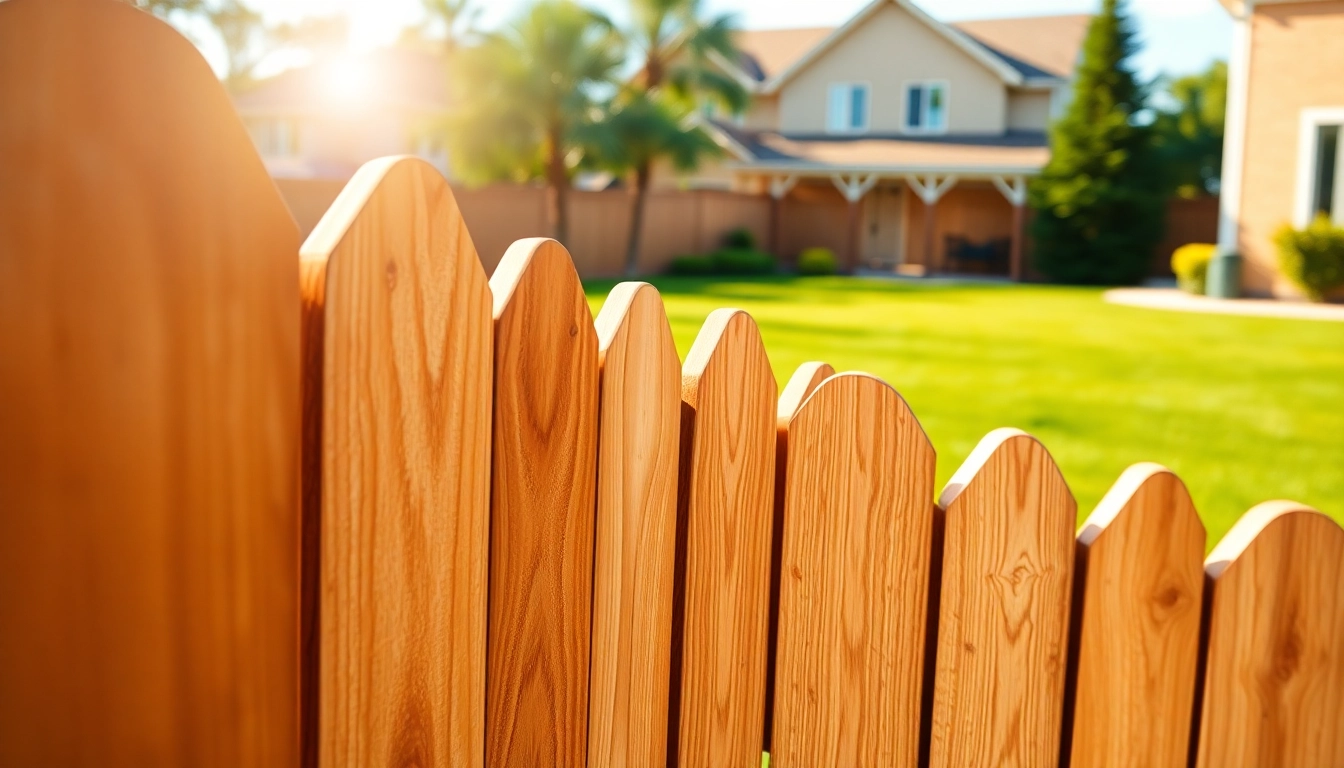
Understanding the Importance of Fence Cleaning
A fence serves many purposes, from providing privacy and security to enhancing the aesthetic appeal of your home. However, weather, algae, mold, and dirt can accumulate over time, leading to a dull appearance or even structural damage. This is where Fence Cleaning becomes essential. Beyond mere aesthetics, regular cleaning maintains the longevity of your fence and contributes to the overall appeal of your outdoor space.
Why Clean Your Fence Regularly?
Cleaning your fence regularly protects it from the accumulation of dirt, grime, and organic matter like mold and mildew. If left unaddressed, these factors can cause decay and lead to costly repairs. Regular maintenance helps to:
- Prevent Structural Damage: Dirt and mold can deteriorate wood or weaken the joints in vinyl and metal fences.
- Enhance Curb Appeal: A clean fence significantly improves the overall look of your property.
- Increase Longevity: Regular cleaning can extend the life of your fence, reducing the need for premature replacements.
Benefits of Professional Fence Cleaning
While DIY methods may seem appealing, there are distinct advantages to hiring professionals for your fence cleaning needs:
- Expert Knowledge: Professionals typically have a better understanding of different materials and the cleaning techniques best suited for them.
- Advanced Equipment: They often utilize commercial-grade equipment that provides a more thorough clean without damaging the fence.
- Time-Saving: Hiring experts allows you to focus on other tasks while they take care of your fence.
Common Fence Materials and Their Care
Fences can be made from a variety of materials, each requiring specific care approaches:
- Wood: Needs regular staining or sealing after cleaning to protect it from moisture and UV rays.
- Vinyl: Generally low-maintenance; a thorough wash with soap and water suffices.
- Metal: May require rust treatment and can usually be cleaned with a mild detergent solution.
Essential Tools and Supplies for Fence Cleaning
Choosing the Right Cleaning Solution
Selecting the proper cleaning solution is critical to ensure effective cleaning without damaging your fence. Here are popular options:
- Bleach Solution: Effective for killing mold or mildew on wooden fences when diluted properly.
- Vinegar and Water: A natural alternative for gentle cleaning, particularly for vinyl fences.
- Commercial Cleaners: Look for products specifically designed for fence cleaning, including those that tackle rust and tree sap.
Tools Needed for Effective Fence Cleaning
Equipping yourself with the right tools can make the cleaning process much easier:
- Soft-Bristle Brush: Ideal for scrubbing away dirt and debris.
- Bucket: For mixing cleaning solutions.
- Hose with Nozzle: Useful for rinsing off cleaning solutions.
- Pressure Washer: Can be used for deeper cleaning, but caution should be taken to avoid damage.
Safety Gear and Precautions
Safety should always come first when cleaning any outdoor surfaces. Consider wearing:
- Gloves to protect your hands from harsh chemicals
- Goggles to shield your eyes from splashes
- A mask if you are sensitive to dust or chemical fumes
Step-by-Step Guide to DIY Fence Cleaning
Preparing Your Fence for Cleaning
Before starting, prepare your work area. Remove any garden furniture or plants near the fence and ensure it is free of debris. Inspect for damage and determine if repairs are needed.
Applying Cleaning Solutions
Once prepared, follow these steps for applying your cleaning solution:
- Mix your cleaning solution in a bucket according to product instructions.
- Test the solution on a small, inconspicuous area first.
- Use your brush to apply the solution evenly, working in sections.
- Let it sit for the recommended time to break down dirt and stains.
Finishing Touches and Sealing
After rinsing the fence, inspect for missed spots. Once clean and dry, consider sealing, staining, or painting your wood fence for added protection against the elements.
Professional Fence Cleaning Services: When to Call the Experts
Signs You Need Professional Help
Indications that you may need to call professionals include:
- Severe mold or mildew growth
- Presence of rust on metal fences
- Extensive damage or deterioration
Evaluating Service Providers
When seeking professional services, consider these factors:
- Check reviews and testimonials
- Ask about their cleaning techniques and tools
- Verify that they have insurance and appropriate licenses
Cost Considerations for Professional Services
The cost of professional fence cleaning can vary depending on several factors:
- Size of the fence
- Material type
- Location and accessibility
Generally, pricing ranges from $0.50 to $2.00 per linear foot.
Maintaining Your Fence After Cleaning
Preventing Future Damage
After a thorough cleaning, it’s essential to take steps to prevent future issues:
- Regularly inspect fences for signs of wear or damage.
- Trim vegetation close to the fence to avoid moisture accumulation.
Regular Maintenance Tips
Incorporate these tips into your ongoing maintenance routine:
- Clean fences at least once a year, more often if exposed to harsh conditions.
- Apply protective finishes to wood fences as needed.
Long-Term Care for Different Fence Types
Dedicating time to care for fence materials will pay off in the long run:
- Wood: Consider annual inspections and refinishing every few years.
- Vinyl: Routine washes with non-abrasive cleaners will suffice.
- Metal: Regularly check for rust, and lubricate joints and hinges to prevent sticking.
FAQs About Fence Cleaning
1. How often should I clean my fence?
It's recommended to clean your fence at least once a year. If you notice mold or mildew, clean more frequently.
2. Can I use bleach to clean my fence?
Yes, a diluted bleach solution can effectively kill mold and mildew. Always test on a small area first.
3. What is the best way to clean a wooden fence?
A combination of gentle scrubbing with a soft-bristle brush and a wood-safe cleaner or diluted bleach is effective.
4. Do I need to seal my fence after cleaning?
Yes, sealing your wooden fence can protect it from moisture penetration and UV damage, extending its lifespan.
5. How much does professional fence cleaning cost?
The cost can vary based on size and type of material but typically ranges from $0.50 to $2.00 per linear foot.