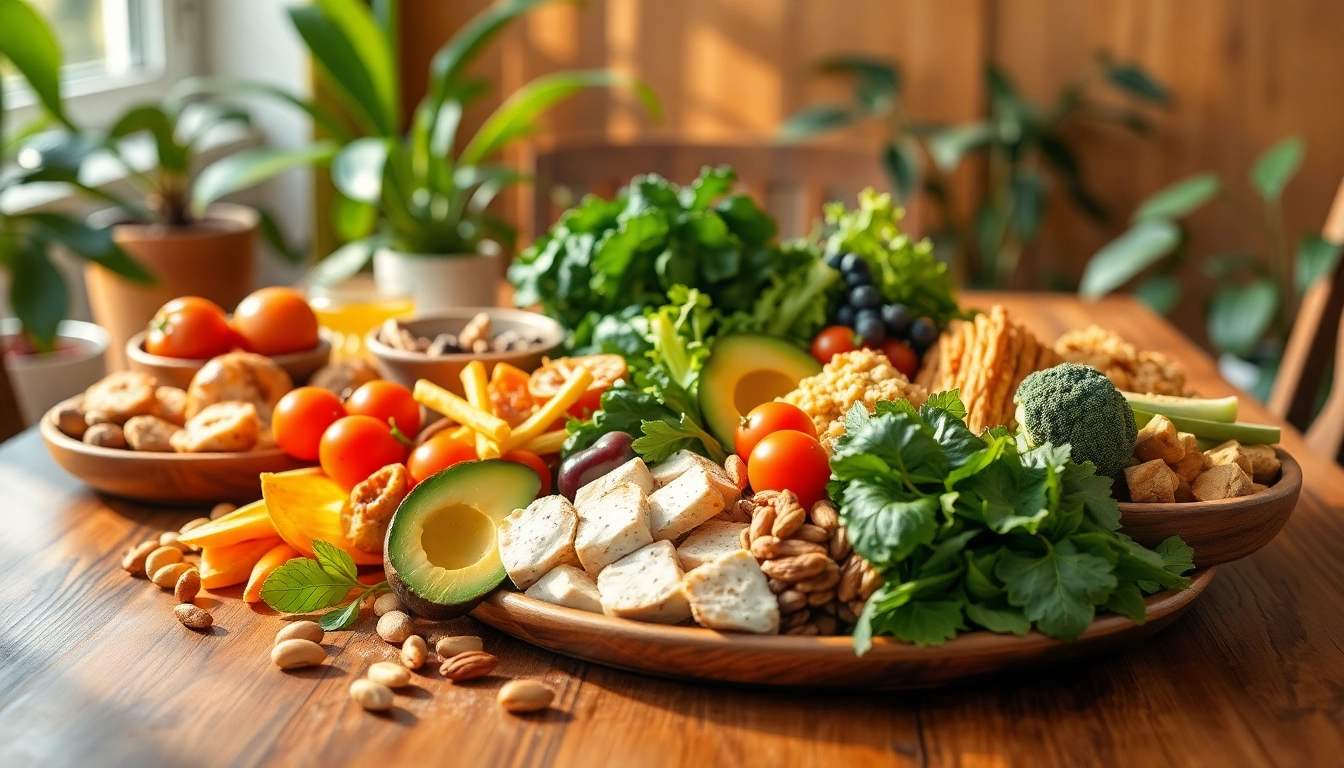
Understanding the Hormone Balance Diet
The hormone balance diet is founded on the understanding that our hormone levels can significantly affect our mood, energy, weight, and overall health. An imbalance in hormones can lead to fatigue, weight gain, mood swings, and many other health issues. By focusing on specific foods and nutritional approaches, individuals can restore hormonal balance, thus promoting enhanced wellness and vitality.
What is a Hormone Balance Diet?
A hormone balance diet involves carefully selecting foods that support the body's natural hormonal functions. This diet emphasizes the inclusion of whole, unprocessed foods rich in nutrients that help optimize hormonal production and regulation. It aims to promote overall health by enabling the endocrine system to function effectively. Key dietary principles include prioritizing whole foods, incorporating healthy fats, consuming adequate protein, and ensuring a high intake of fruits and vegetables, which play crucial roles in hormonal balance.
Benefits of Following a Hormone Balance Diet
Adopting a hormone balance diet comes with numerous benefits, including:
- Improved Energy Levels: Nutrient-rich foods help stabilize blood sugar levels, preventing energy crashes.
- Weight Management: Balancing hormones can enhance metabolism, making it easier to maintain a healthy weight.
- Enhanced Mood: Certain foods can help regulate neurotransmitters, positively impacting mood and reducing anxiety levels.
- Better Sleep Quality: Foods that support melatonin production can contribute to improved sleep patterns.
- Reduced Symptoms of Hormonal Imbalance: Symptoms such as PMS, acne, and other hormonal conditions may be alleviated.
Who Should Consider a Hormone Balance Diet?
This diet can be beneficial for a wide array of individuals, particularly those experiencing hormonal imbalances. Common groups include:
- Women experiencing premenstrual syndrome (PMS) or menopausal symptoms.
- Those with thyroid dysfunction or adrenal fatigue.
- Individuals facing stress-related hormonal issues.
- Anyone seeking to maintain energy levels, mood stability, and overall well-being.
Key Components of a Hormone Balance Diet
The following components are essential for constructing a balanced diet that supports hormone regulation.
Fruits and Vegetables for Hormone Regulation
Fruits and vegetables serve as foundational pillars in a hormone balance diet. They are high in fiber, vitamins, and antioxidants, all of which assist in detoxifying the body and supporting hormonal health. Specific options include:
- Cruciferous Vegetables: Broccoli, cauliflower, and Brussels sprouts contain compounds that support estrogen metabolism.
- Leafy Greens: Spinach and kale are nutrient-dense and help reduce oxidative stress.
- Fruits: Berries, apples, and citrus fruits contain polyphenols that aid in maintaining hormonal balance.
Healthy Fats and Their Role
Healthy fats are vital for hormone production, particularly in the synthesis of steroid hormones. Fats also play a role in regulating cellular responses. Foods rich in healthy fats include:
- Avocados: Rich in monounsaturated fats that support cardiovascular health.
- Nuts and Seeds: Particularly flaxseeds and walnuts, which provide omega-3 fatty acids.
- Olive Oil: A great source of healthy fats that also reduce inflammation.
Proteins That Support Hormonal Balance
Proteins play a crucial role in hormone synthesis and regulation. They provide essential amino acids necessary for neurotransmitter production and cellular function. Incorporate the following protein sources:
- Lean Meats: Chicken and turkey are high in protein and low in saturated fats.
- Fish: Fatty fish, such as salmon, are excellent sources of omega-3 fatty acids.
- Legumes: Lentils and chickpeas offer plant-based protein and fiber.
Foods to Avoid on a Hormone Balance Diet
To successfully maintain hormonal balance, it is also important to steer clear of certain foods that can disrupt hormonal functions. Here are foods to avoid:
Processed Foods and Sugars
Processed foods and refined sugars can lead to insulin spikes and increased inflammation, both of which can disrupt hormonal balance. Common culprits include:
- Sugary Snacks: Candy, pastries, and sweetened beverages can lead to hormonal imbalances.
- Fast Food: Often high in unhealthy fats and sugars.
High Caffeine and Alcohol Consumption
Excessive caffeine and alcohol can interfere with hormone production and regulation, contributing to issues such as anxiety and sleep disturbances. Consider moderating your intake of:
- Caffeinated Beverages: Limit coffee, energy drinks, and high-caffeine teas.
- Alcohol: Excessive intake can disrupt estrogen and progesterone levels.
Refined Carbohydrates Unpacked
Refined carbohydrates can lead to rapid spikes in blood sugar levels. Foods to avoid include:
- White Bread and Pasta: These are stripped of essential nutrients.
- Snack Foods: Chips and other processed snacks are often high in refined flour and unhealthy oils.
Practical Tips for Implementing a Hormone Balance Diet
Implementing a hormone balance diet can be straightforward with the right strategies. Here are practical steps to help you succeed:
Meal Planning for Success
Planning your meals ahead can minimize impulsive food choices. Consider batch cooking, preparing meals with wholesome ingredients, and exploring new recipes rich in hormonal-supporting foods.
Mindful Eating Practices
Engaging in mindful eating can enhance digestion and satisfaction by promoting awareness of food choices. Take the time to chew slowly and appreciate the flavors and textures of your meals.
Staying Hydrated
Hydration is essential for optimal bodily functions, including hormone regulation. Aim to drink water throughout the day, and consider herbal teas which can also provide additional health benefits.
Frequently Asked Questions About Hormone Balance Diet
What can I eat to balance my hormones quickly?
Focus on whole foods such as leafy greens, lean proteins, healthy fats, and high-fiber fruits. These will provide essential nutrients and support hormonal functions.
How long does it take to see results on a hormone balance diet?
Most individuals begin to notice improvements within a month, though it may take longer for significant changes, especially if chronic hormonal issues are present.
Can I drink coffee on a hormone balance diet?
Moderation is key. While some coffee can be fine, excessive intake should be avoided as it can lead to cortisol spikes and disrupt sleep.
Are there supplements that can help with hormone balance?
Yes, supplements like omega-3 fatty acids, magnesium, and vitamin D can support hormonal health. Consult a healthcare provider for personalized advice.
Is the hormone balance diet suitable for everyone?
While beneficial for many, individuals with specific health conditions should consult healthcare professionals before making significant dietary changes.