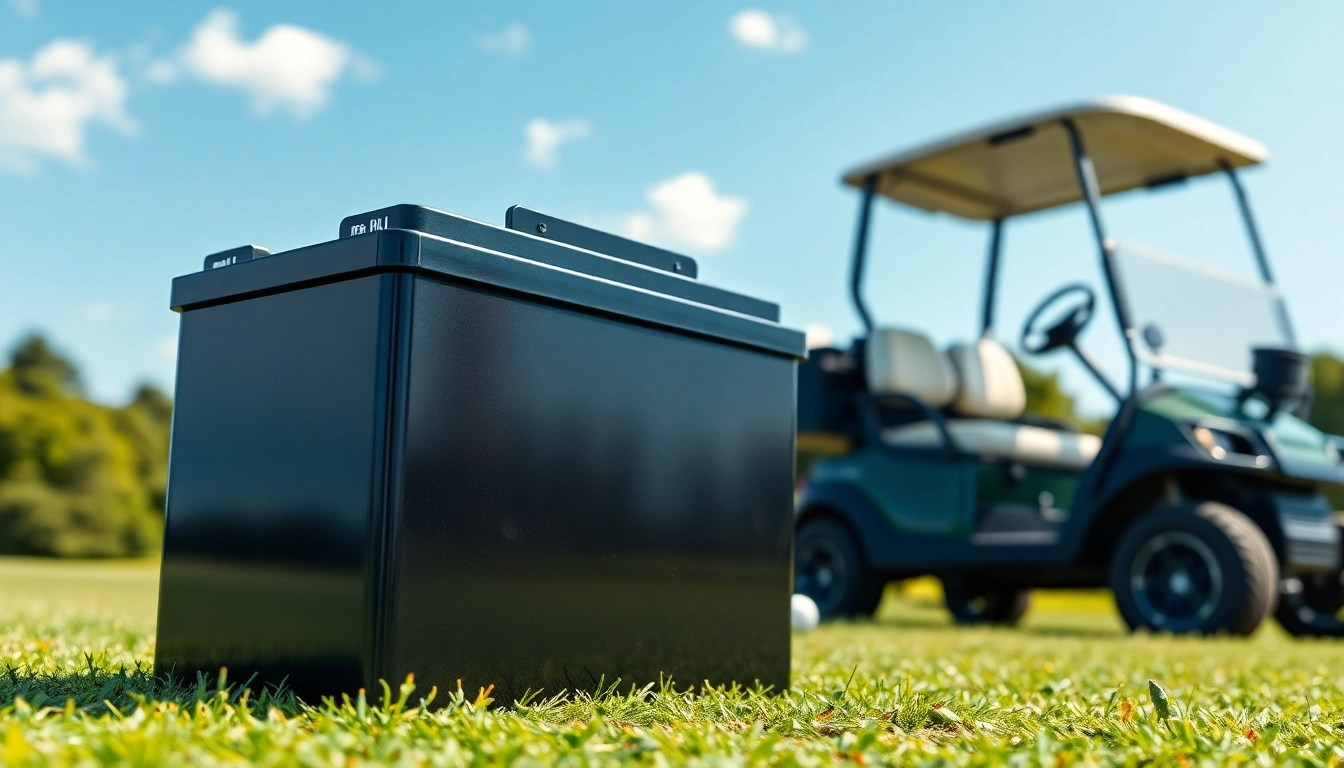
Understanding Lithium Golf Cart Batteries
What are Lithium Golf Cart Batteries?
Lithium golf cart batteries are advanced energy storage solutions specifically designed for use in electric golf carts. Unlike traditional lead-acid batteries, lithium batteries utilize lithium-ion chemistry, which results in higher energy density, longer lifespans, and improved overall performance. These batteries are lightweight, allowing for better maneuverability of golf carts and extending their operational range significantly. As golf carts are increasingly popular in golf courses, communities, and various recreational areas, the demand for reliable power sources has propelled the development of lithium golf cart batteries to the forefront.
Benefits of Lithium Golf Cart Batteries
There are numerous advantages to using lithium golf cart batteries over their traditional lead-acid counterparts:
- Extended Lifespan: Lithium batteries generally last between 5 to 10 years, offering significantly more cycles—up to 5,000 compared to 300 for lead-acid batteries.
- Weight Efficiency: They are considerably lighter, which contributes to better vehicle efficiency and increased speed.
- Faster Charging: Lithium batteries can recharge faster, often within two to three hours, while lead-acid models may take a full day.
- Consistent Power Output: Lithium batteries provide steady voltage throughout their discharge cycle, ensuring consistent performance.
- Safer and Environmentally Friendly: These batteries avoid many of the chemical hazards associated with lead-acid batteries and do not leak harmful substances.
Types of Lithium Golf Cart Batteries
Within the realm of lithium golf cart batteries, there are primarily two types used:
- Lithium Iron Phosphate (LiFePO4): Known for their safety and thermal stability, these batteries offer reliable performance and durability, making them a popular choice for electric vehicles, including golf carts.
- Lithium Nickel Manganese Cobalt (NMC): These batteries provide high energy density and efficiency, commonly used in applications where high performance is critical but can be more expensive than LiFePO4 variants.
Comparing Lithium Golf Cart Batteries and Lead-acid Options
Lifespan and Cycle Count
The most significant difference between lithium and lead-acid batteries lies in their lifespan. Lithium golf cart batteries can achieve up to 5,000 life cycles, while a typical lead-acid battery may only last for 300 to 500 cycles before needing replacement. This translates directly into cost savings over time, as the need for frequent replacements is reduced significantly.
Weight and Performance Differences
Weight plays a vital role in performance. Lithium batteries are up to 70% lighter than lead-acid batteries. This reduction allows for enhanced speed and maneuverability, which is crucial for golfing environments where agility can influence performance. Additionally, the weight savings result in improved battery efficiency, as the golf cart uses less energy to move.
Cost Analysis: Initial vs. Long-term Savings
While the initial purchase price of lithium golf cart batteries can be higher than that of lead-acid alternatives, the long-term savings become apparent when considering lifespan and maintenance costs. Lithium batteries often yield a lower cost per use, as their durability and lifespan significantly reduce replacement frequency.
Installation and Usage of Lithium Golf Cart Batteries
Installation Steps and Considerations
Installing lithium golf cart batteries can be straightforward if one follows specific steps:
- Safety Precautions: Ensure that all safety guidelines are followed. Wear proper protective gear and disconnect the Vatrer Power source.
- Remove Old Batteries: Carefully remove existing lead-acid batteries, noting how they are connected to the system.
- Install Lithium Batteries: Place the new lithium batteries in the designated battery compartment. Ensure they are securely fastened.
- Connect Wiring: Connect the terminals, ensuring negative to negative and positive to positive configurations.
- Initial Charge: Charge the batteries according to the manufacturer's guidelines before the first use.
Best Practices for Usage
To maximize the performance and lifespan of lithium golf cart batteries, adhere to the following practices:
- Monitor the state of charge regularly to avoid deep discharges.
- Avoid charging the batteries in extreme temperatures (below freezing or above 113°F).
- Utilize a charger specifically designed for lithium technology to prevent overcharging.
Maintenance Tips for Longevity
Regular maintenance can significantly enhance the longevity of lithium batteries:
- Inspect terminals regularly for corrosion or loose connections.
- Store batteries in a cool, dry place to maintain optimal performance.
- Follow a charging schedule to keep batteries in their ideal charge range.
Environmental Impact of Lithium Golf Cart Batteries
Recycling Lithium Batteries
Efforts are ongoing to improve recycling processes for lithium batteries. Recycling can reclaim valuable materials and reduce waste, helping to mitigate environmental concerns associated with battery production and disposal. Always seek facilities that follow regulations to ensure proper recycling methods are applied.
Reducing Carbon Footprint with Lithium Technology
Transitioning to lithium golf cart batteries can significantly reduce a user's carbon footprint due to their high efficiency and longer lifespan compared to their lead-acid counterparts. This transition aligns with broader sustainability goals within recreational and transportation industries.
Sustainable Practices in Battery Manufacturing
The production of lithium batteries is becoming more environmentally friendly as manufacturers adopt sustainable sourcing and production practices. Innovations in 48V 105Ah Lithium Battery technology, such as using recycled materials and eco-friendlier manufacturing processes, contribute to reducing the environmental impact of lithium products.
Frequently Asked Questions about Lithium Golf Cart Batteries
Can I upgrade to lithium batteries from lead-acid?
Yes, upgrading to lithium batteries can enhance efficiency and reduce weight significantly, improving performance.
How long do lithium golf cart batteries last?
Typically, they last 5 to 10 years, significantly outperforming traditional lead-acid batteries in longevity.
What is the best temperature for charging?
Charging is ideally done at room temperature. Avoid extreme heat or cold to prolong battery life.
Are lithium batteries safer than lead-acid?
Yes, lithium batteries are less prone to leakage or hazardous reactions during use, making them safer options.
Do I need a special charger for lithium golf cart batteries?
Yes, it's essential to use a charger specifically designed for lithium batteries to ensure proper charging.