
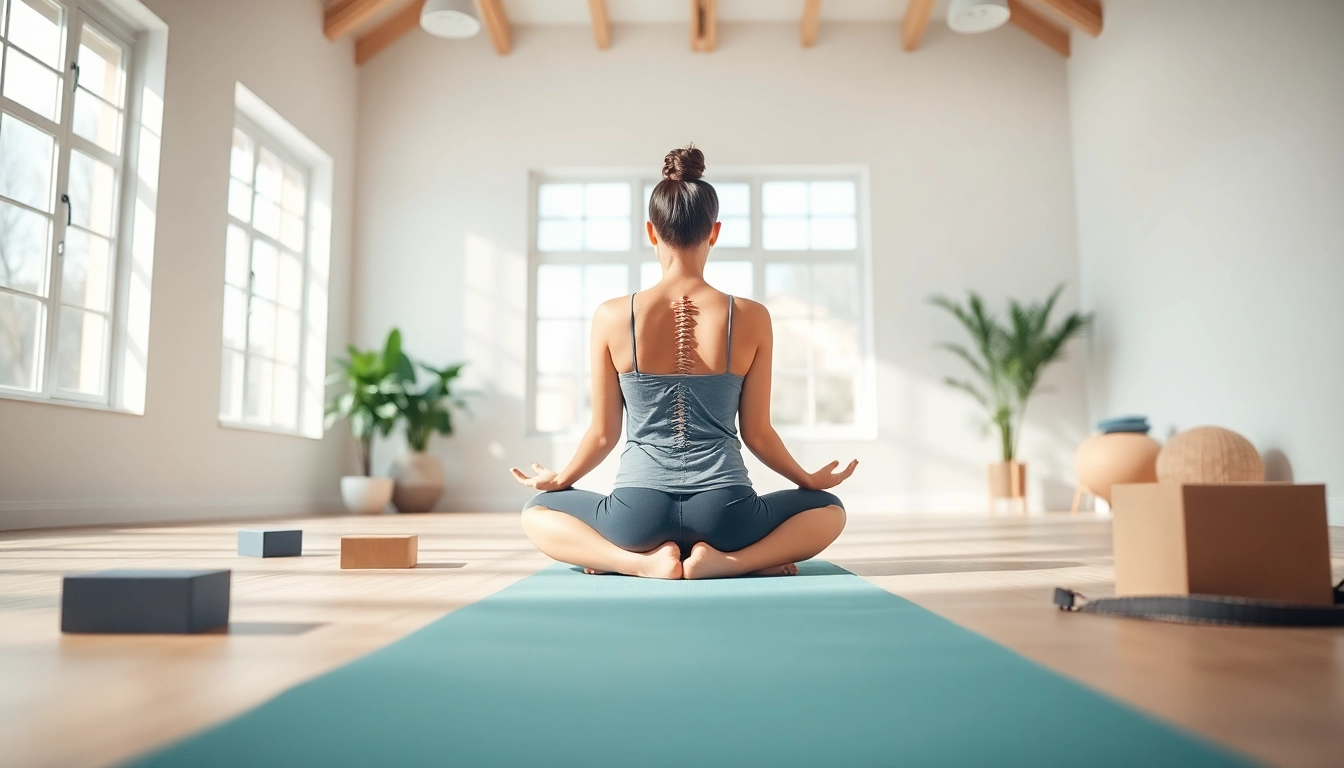
The Importance of Posture in Back Pain Management
Posture is far more than a mere aesthetic concern; it plays a crucial role in our overall health and well-being, especially in managing back pain. How to improve posture is fundamental for relieving discomfort, enhancing mobility, and preventing future pain. Living in an increasingly sedentary lifestyle, where we often find ourselves hunched over screens, correct posture has never been more critical.
Understanding Posture and Its Effects
Good posture aligns your body so that an appropriate amount of stress is placed on the joints and muscles. The spine is designed to have natural curves at the cervical, thoracic, and lumbar regions. Poor posture disrupts this alignment, leading to strain on muscles and ligaments, which can aggregate over time. Essentially, when our body mechanics are correct, we experience less pain and improved function.
Common Causes of Poor Posture
Several factors contribute to poor posture. Sedentary behavior, especially associated with modern desk jobs, can result in muscle weakness and decreased flexibility. Additionally, carrying heavy bags on one side, improper footwear, and even emotional stress can all lead to slouching and misalignment. Identifying and addressing these factors is the first step toward correcting posture.
Long-Term Consequences of Neglecting Posture
Neglecting to improve posture can lead to significant health issues. Chronic back pain is one of the most common problems resulting from poor posture, but it can also lead to headaches, digestive issues, and even respiratory difficulties. Over time, this misalignment can result in structural changes in the spine, causing permanent damage and affecting overall quality of life.
Practical Exercises for Improving Posture
Stretching Techniques for Back Relief
Regular stretching can help combat the tightness associated with poor posture. Here are some effective stretches:
- Cobra Stretch: This stretch helps open the chest and improve spinal extension. Start lying face down, place your hands under your shoulders, and slowly raise your chest while keeping your hips on the ground.
- Child's Pose: Great for relaxing the spine and easing tension. Kneel down, sit back on your heels, and reach your arms forward on the ground, dropping your chest toward the floor.
- Neck Stretch: This can relieve tension in the neck caused by poor posture. Gently tilt your head to one side while keeping your shoulder down, hold for 15 seconds, and switch sides.
Strengthening Exercises for Core Stability
A strong core is vital for maintaining good posture. These exercises can be integrated into your routine to build strength:
- Planks: Hold a plank position on your forearms and toes, ensuring your body forms a straight line from head to heels. Start with 20 seconds and progressively increase.
- Bridges: This exercise targets the back and glutes. Lying on your back with knees bent, lift your hips while squeezing your glutes, then lower down slowly.
- Bird-Dog: From a tabletop position, extend one arm and the opposite leg straight out. Hold for a few seconds and switch. This challenges your balance and engages your core.
Integrating Movement into Your Daily Routine
Incorporating movement into your everyday activities can help improve posture naturally. Consider these tips:
- Take regular breaks to stand and stretch, especially if you work at a desk.
- Use stairs instead of elevators when possible to engage your body more.
- Practice active commuting—biking or walking to work if feasible.
Ergonomic Solutions to Support Good Posture
Choosing the Right Office Chair and Desk Setup
Your workplace ergonomics significantly influence your posture. Selecting an office chair that offers lumbar support, adjustable height, and adequate space can encourage better posture. Ensure that your desk is at the correct height so that your arms are at a 90-degree angle while typing. Additionally, the screen should be at eye level to prevent straining your neck.
Adjusting Your Environment for Comfort
Regularly assess your workspace to make necessary adjustments. Consider using a sit-stand desk that allows you to change positions throughout the day. The lighting should be sufficient to avoid squinting, and items you frequently use should be within arm's reach to minimize bending or twisting.
Utilizing Posture-Correcting Aids
Posture-correcting devices, such as braces or cushions, can provide additional support. However, they should not be seen as a replacement for exercises or awareness. Use them as tools to remind yourself to maintain good posture as you work to strengthen your body naturally.
Mindfulness and Breathing Techniques for Postural Awareness
Practicing Mindfulness in Everyday Activities
Being mindful of your posture is an essential aspect of making lasting changes. Set reminders throughout your day to check in with your body. Whether sitting, standing, or walking, take a moment to assess your alignment. A simple check-in can prevent accumulated tension over time.
Incorporating Breathing Exercises for Relaxation
Breathing exercises can be incredibly beneficial in relieving tension throughout the body. Practice diaphragmatic breathing by inhaling deeply through your nose, allowing your abdomen to expand. Then, exhale slowly through your mouth. This technique not only calms the mind but also encourages relaxation of the muscles necessary for good posture.
Combining Mindfulness with Physical Movement
Engage in activities such as yoga or tai chi that integrate mindfulness and movement. These practices promote awareness of body alignment and breathing, encouraging better posture while enhancing flexibility and strength.
FAQs about Back Pain and Posture Improvement
How can bad posture contribute to back pain?
Poor posture places excessive stress on the spine and surrounding muscles, which can lead to pain and discomfort due to imbalanced tension and reduced blood flow.
What exercises are best for improving posture?
Effective exercises include stretching, core stability workouts, and specific yoga poses that enhance posture and alleviate back pain.
Can I correct my posture at home?
Absolutely! Practicing targeted exercises, adjusting your home workspace, and maintaining awareness of your posture can yield significant improvements.
How long does it take to see improvements in posture?
Improvements often become noticeable within weeks of consistent effort, but maintaining correct posture requires ongoing attention and practice.
Are posture-correcting devices effective?
Yes, posture-correcting devices can be beneficial as supportive tools, but they should complement an exercise regime rather than replace it for optimal effectiveness.