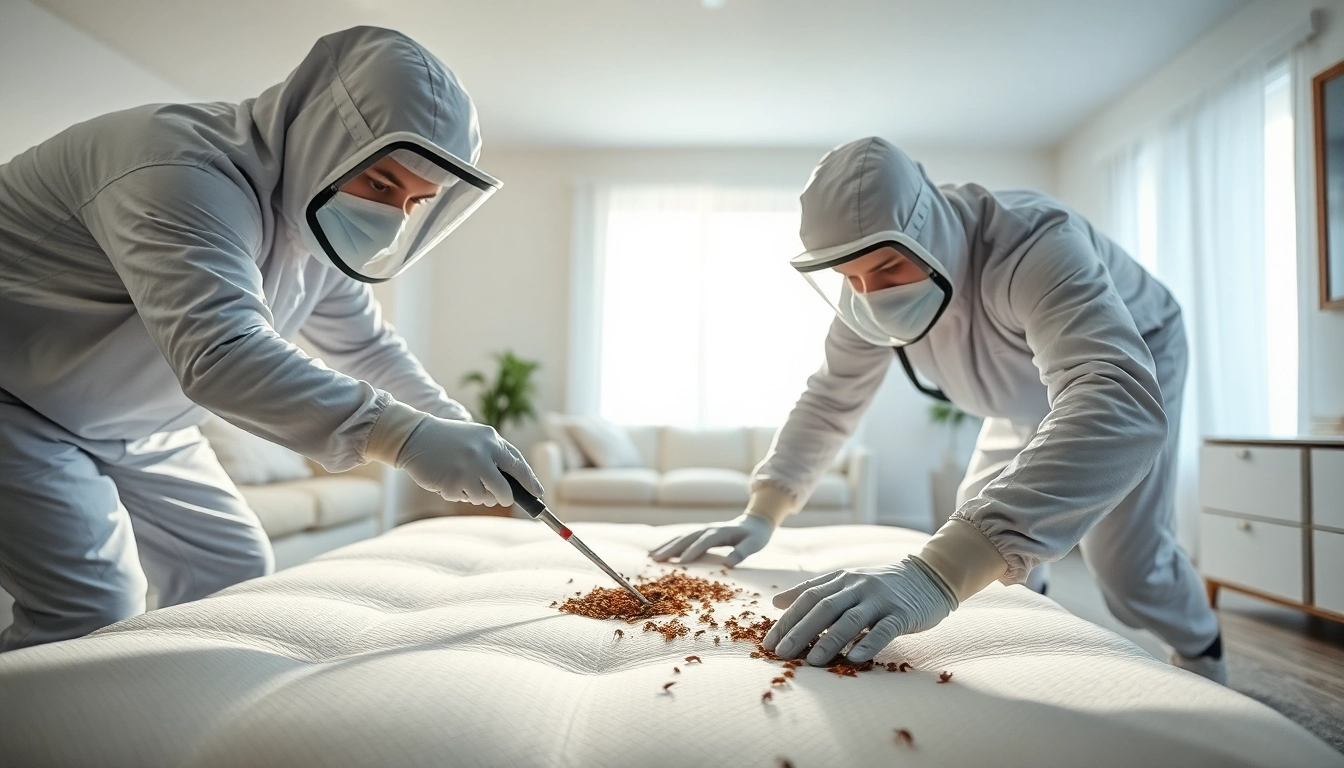
Understanding Bed Bugs and Their Impact
What Are Bed Bugs?
Bed bugs are small, nocturnal insects belonging to the Cimex genus that primarily feed on the blood of humans and animals. These parasites are wingless and typically measure about 1 to 5 millimeters in length. Their flat, oval-shaped bodies make it easy for them to hide in cracks and crevices, particularly in areas such as mattresses, furniture, and behind wall hangings. Understanding the biology and behavior of bed bugs is crucial for effective extermination. Through their ability to reproduce quickly, a small initial infestation can lead to a more significant problem.
Signs of Infestation
Detecting a bed bug infestation early is essential to controlling and eliminating these pests. Key signs include:
- Physical Sightings: Adult bed bugs are visible to the naked eye. Look for them in bedding seams, mattresses, and furniture.
- Bed Bug Bites: Bites typically appear as small, red welts, often in clusters. They can cause itching and discomfort.
- Exoskeletons: As they grow, bed bugs shed their exoskeletons. Finding these husks can indicate an ongoing infestation.
- Fecal Stains: Small, dark spots on sheets or surfaces near infested areas suggest bed bugs are present.
Health Risks Associated with Bed Bugs
Though bed bugs do not transmit diseases, their presence poses several health risks. Their bites can result in allergic reactions and lead to significant discomfort. Many individuals may experience insomnia and anxiety, as the stress of an infestation can disrupt normal living. Moreover, excessive scratching from itching can lead to secondary infections. Recognizing these health implications underscores the importance of seeking help from qualified bed bug exterminators for effective removal.
Choosing the Right Bed Bug Exterminators
Qualities of Professional Exterminators
Selecting the right extermination service is as vital as addressing the infestation itself. Here are critical qualities to look for in professional exterminators:
- Licensure and Certifications: Ensure that the exterminator is licensed and certified to operate within your area, demonstrating compliance with safety regulations.
- Experience and Expertise: Choose a company with a proven track record in handling bed bug infestations specifically.
- Comprehensive Approach: The best exterminators develop a thorough plan that includes inspection, treatment, and follow-up, ensuring that all life stages of bed bugs are targeted.
- Positive Customer Reviews: Look for feedback and testimonials from past clients to gauge the reliability and effectiveness of the service.
Evaluating Exterminator Services
When evaluating extermination services, consider these factors:
- Treatment Methods: Ask about the methods they use—whether chemical, heat, or alternative approaches. Understanding the science behind their techniques can help you gauge effectiveness and safety.
- Assessment of Property: A thorough inspection prior to treatment is essential. A competent exterminator will assess the extent of the infestation and recommend appropriate measures.
- Service Contracts: Pay attention to the terms of service warranties or guarantees. A good exterminator should offer follow-up services to ensure the problem has been resolved.
Cost Factors in Bed Bug Extermination
The cost of extermination can vary significantly based on various factors:
- Severity of Infestation: Larger or well-established infestations will naturally require more extensive treatments, increasing costs.
- Treatment Methods: Different methods, such as chemical treatments, heat treatments, or fumigation, have varying price points. Heat treatment might be more expensive but often yields faster results.
- Location and Accessibility: The cost may also vary depending on geographical location and the accessibility of the infested areas.
Effective Extermination Methods
Chemical Treatments
Chemical treatments remain one of the most common methods of bed bug extermination. Here's how they work:
Exterminators use insecticides that target the nervous system of bed bugs, leading to their elimination. These chemicals can come in various forms, including sprays, powders, and baits. Innovative products are increasingly being developed that specifically target the unique biology of bed bugs for increased efficacy.
While chemical treatments can be quite effective, they often require multiple applications to address different life stages of bed bugs, such as eggs and adults. It’s important to have professional guidance on the correct use of these chemicals to minimize risks and maximize success.
Heat Treatments
Heat treatments are gaining popularity as a non-chemical approach to bed bug extermination. This method involves raising the temperature of infested areas to a level that is lethal to bed bugs—typically around 120°F (49°C) or above. Higher temperatures can cause bed bugs and their eggs to die quickly without requiring chemical use.
Advantages of heat treatments include:
- Effective against all life stages of bed bugs.
- Non-toxic approach that doesn’t pose risks to human health or pets.
- Can be completed in a single treatment session, often requiring only a few hours.
Alternative Methods (Diatomaceous Earth, Steam)
Diatomaceous earth (DE) is a powder made from the fossilized remains of tiny aquatic organisms. When bed bugs come into contact with DE, it damages their exoskeletons, leading to dehydration and eventual death. This method can be an effective and eco-friendly choice for bed bug control. Applying it in crevices and along infested furniture can help in managing populations.
Steam treatment is another alternative where steam is applied at high temperatures to kill bed bugs on contact. This method is particularly useful for reaching areas that may be missed during chemical or heat treatment. The steam penetrates deep into fabrics and furnishings, providing a thorough solution without harsh chemicals.
Preventing Future Infestations
Regular Inspections and Maintenance
Preventing future infestations begins with regular inspections. A proactive approach involves:
- Conducting routine checks of sleeping areas, furniture, and potential hiding spots.
- Using mattress encasements and box spring covers to protect against re-infestation.
- Implementing a scheduled maintenance plan that includes periodic professional inspections, even if no bed bugs are currently found.
Travel Tips to Avoid Bed Bugs
Traveling can often be a source of bed bug introductions. To minimize risk:
- Inspect hotel rooms before settling in, checking seams and corners of mattresses.
- Use luggage racks to keep bags off the floor and bed.
- After traveling, immediately wash your clothes in hot water to eliminate any hitchhikers.
Home Treatments and Precautions
Implementing simple precautions at home can help keep bed bugs at bay:
- Reduce clutter in living spaces to eliminate potential hiding places.
- Vacuum regularly and dispose of the vacuum bag immediately to prevent re-infestation.
- Seal cracks and crevices in walls and furniture to reduce their access to hiding spots.
FAQs About Bed Bug Extermination
How long does bed bug extermination take?
The duration of bed bug extermination varies based on infestation size and methods used, typically from a few hours to multiple weeks of treatment.
Are bed bug exterminators safe for pets?
Many professional exterminators use pet-safe methods. Consult your exterminator to discuss options that ensure your pets’ safety during treatment.
What can I do before the exterminator arrives?
Clean and declutter the affected areas, wash bedding in hot water, and prepare according to the exterminator’s instructions to enhance treatment effectiveness.
Will I need to leave my home during treatment?
Depending on the method used, you may need to vacate your home for a few hours, though some modern treatments allow you to stay with precautions.
How can I find a reputable exterminator?
Look for licensed exterminators with positive reviews, experience in bed bug control, and clear treatment plans tailored to your specific infestation needs.