Understanding the Blower Door Test
What is a Blower Door Test?
A blower door test is a diagnostic procedure used to measure the airtightness of buildings. Utilizing a specialized fan, the test creates a controlled environment, allowing for an assessment of how much air leaks through a building's envelope. This test provides critical data that can inform energy conservation strategies and improve overall building performance. To learn more about the technical aspects of the blower door test, keep reading.
How Blower Door Tests Work
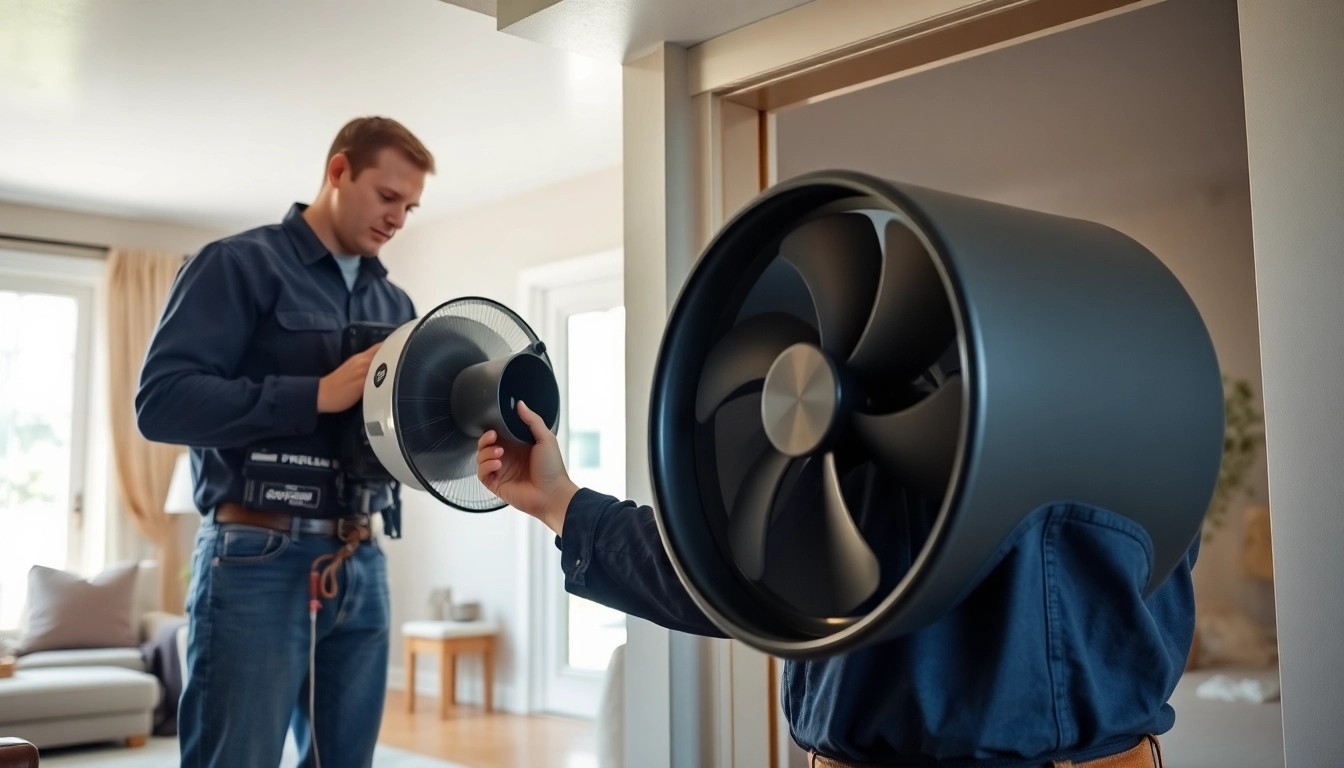
The blower door test primarily involves the use of a high-powered fan mounted within a door frame. When the fan is activated, it establishes either a pressure differential (when the building is pressurized) or a suction effect (when it is depressurized). A precise measurement of airflow is taken while the fan operates, often quantified as cubic feet per minute (CFM). This data is then compared against established performance standards to evaluate the building's airtightness.
Importance of Airtightness Verification
Verifying a building's airtightness is essential for several reasons. First, improved airtightness can lead to increased energy efficiency, which ultimately reduces heating and cooling costs. Second, minimizing air leaks enhances indoor air quality by preventing pollutants from entering. Lastly, understanding a building's envelope performance can aid in compliance with local building codes and standards, which are increasingly focused on energy efficiency.
Steps to Prepare for a Blower Door Test
Essential Pre-test Preparations
Preparation for a blower door test is crucial to ensure accurate results. Key steps include sealing any vents or exhaust fans, ensuring all windows and doors are closed, and removing any obstacles that could interfere with the test. Additionally, it is advisable to conduct a walkthrough of the building to identify potential problem areas where air leakage might occur. First impressions and preparedness significantly impact the quality of the test results.
Common Mistakes to Avoid
Homeowners often make several common mistakes when preparing for a blower door test. Failing to close all windows and doors or neglecting to inform testers of existing issues within the home can lead to misleading results. Additionally, overlooking the importance of the fan's calibration may skew airflow readings. Ensuring all conditions are meticulously met will help yield the most accurate measurements.
Tools Required for Accurate Testing
A successful blower door test requires specific tools beyond the fan itself. Additional equipment includes a manometer to measure pressure differentials, thermometers to monitor temperature fluctuations, and data logging software to record results. Familiarization with the tools and calibration procedures is necessary to ensure the validity of the test outcomes.
Interpreting Blower Door Test Results
Understanding Pressure Readings
During a blower door test, pressure readings are typically expressed in pascals (Pa). A common standard is to set the building's interior pressure to 50 pascals. This threshold helps determine the volume of air leaking through the building envelope. A higher rate might indicate significant air leaks, while a lower rate suggests a tighter building envelope. Understanding these metrics is vital for developing targeted remediation strategies.
Common Leakage Areas to Check
The blower door test results often point to common leakage areas such as around windows, doors, electrical outlets, and ductwork. Additionally, check less visible areas like attic hatches, basements, and any penetrations in the building envelope. Addressing these points can drastically enhance a building's energy performance and occupant comfort.
Creating an Effective Air-Sealing Strategy
Based on the findings of a blower door test, an effective air-sealing strategy can be formulated. This includes identifying specific mitigation methods, such as weather stripping for doors and windows, caulking around joints, and insulating ductwork. Each mitigation step can help close off significant air leaks, resulting in improved overall building performance and energy savings.
Benefits of Conducting a Blower Door Test
Improving Home Energy Efficiency
Adopting a blower door test can reveal critical insights into a home's energy usage. By identifying air leaks, homeowners can implement targeted improvements that lead to more stable indoor temperatures. As a result, energy costs can be significantly decreased, thereby enhancing home energy efficiency.
Cost Savings and Incentives
Many energy efficiency programs offer rebates or incentives for homeowners who conduct blower door tests and complete recommended improvements. These financial benefits can help offset the cost of the test and subsequent upgrades. Consequently, investing in a blower door test may yield substantial long-term savings.
Environmental Impact and Sustainability
By improving a home's energy efficiency through airtightness verification, homeowners contribute to the larger goal of reducing environmental impact. Less energy consumption means a decreased carbon footprint. This aligns with broader sustainability initiatives, making blower door tests a valuable tool in promoting environmentally responsible living.
FAQs About Blower Door Tests
What does a blower door test measure?
A blower door test measures the airtightness of a building by using a fan to create a pressure difference, indicating the volume of air that leaks through the building envelope.
How long does a blower door test take?
Typically, a blower door test lasts between 30 to 60 minutes, depending on the size and condition of the home, along with the thoroughness of the pre-test preparation.
When is a blower door test required?
A blower door test is commonly required during energy audits, for home sales, or renovations to satisfy energy code compliance, ensuring proper weatherization and efficiency.
What are common results of a blower door test?
Results generally reveal the air leakage rate in CFM at 50 pascals, indicating how effectively a home retains heated or cooled air and impacting energy bills directly.
Can I conduct a blower door test myself?
While some homeowners may attempt a blower door test on their own, professional assessments are recommended for accurate results and more comprehensive insights on necessary improvements.