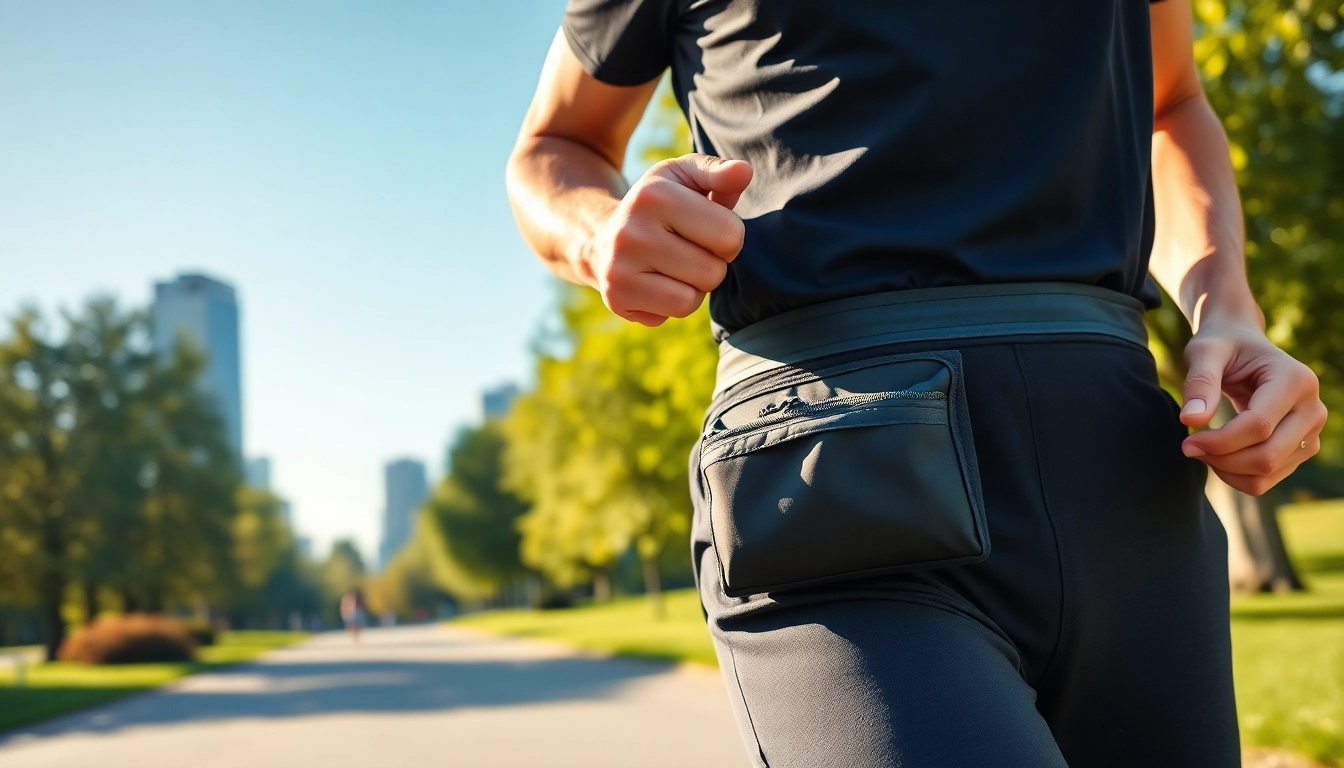
Understanding the Benefits of Running Belts
As a dedicated runner, you've likely experienced the challenges of finding a reliable way to carry your essentials while maintaining comfort. Enter the running belts – an essential accessory designed to enhance your running experience. These belts are more than just a storage solution; they can significantly improve your workout by offering greater mobility and convenience. Let's delve into the multifaceted benefits of running belts, exploring how they can transform your running routine.
Enhanced Hands-Free Storage
One of the primary advantages of using a running belt is the freedom it affords in terms of storage. Unlike traditional backpacks, running belts are specifically designed to be lightweight and snug, allowing you to carry critical items such as keys, credit cards, and energy gels without the bulkiness. This hands-free design means that you can focus entirely on your run, unencumbered and worry-free.
For example, if you’re on a long-distance run, having your phone, ID, or some cash securely stored in a running belt means you won't have to compromise your stride to reach for them. With many models featuring zippered or easy-to-reach pockets, accessibility becomes seamless, keeping you optimized for performance.
Comfort During Workouts
Comfort is key during any workout, and running belts excel in this aspect. They are designed to fit snugly against your body without causing chafing or discomfort. Many are made from stretchy, moisture-wicking materials that conform to your shape while simultaneously keeping you cool.
Additionally, their design allows for a natural range of motion, eliminating the distractions of bouncing or shifting that can occur with other storage solutions. This is particularly beneficial during longer runs, where discomfort can significantly impact performance and motivation.
Versatility for All Activities
Running belts aren't limited to just running. Their versatility makes them suitable for a wide range of activities. Whether you’re cycling, hiking, or participating in a fitness class, running belts can effectively hold your essential items securely. Their compact and adaptable design means they can transition between different sports without missing a beat.
Furthermore, some running belts come equipped with features like hydration storage, making them ideal companions even on hot summer days or long treks. This versatility allows you to get the most out of your fitness gear, offering a functional solution regardless of your activity of choice.
Key Features to Look for in Running Belts
Material and Design Considerations
When investing in a running belt, the material plays a crucial role in performance. Look for stretchy, breathable fabrics that wick moisture away from your skin. These materials not only keep you dry but also ensure comfort during physical activity. Additionally, a design that minimizes bulk and maximizes functionality is key.
For example, some belts include reflective strips for nighttime visibility, enhancing safety during early morning or evening runs. Others may incorporate anti-slip technology, ensuring the belt stays in place, regardless of how vigorous your exercise routine may be.
Fit and Adjustability
A high-quality running belt should offer a customizable fit. Adjustable straps allow for a snug but comfortable fit around your waist, accommodating various body types. A belt that fits correctly prevents bouncing or chafing, which can be significant distractions when jogging or running.
Before purchasing, consider trying on different styles to find one that feels best. Many belts come in various sizes to cater to different waist measurements, and some brands even offer unisex options to maximize comfort.
Pockets and Storage Capacity
Not all running belts are created equal regarding storage capacity. It's essential to consider your specific needs when evaluating pocket design and overall storage capability. Some belts feature multiple pockets, allowing for organization of items by size and function. For instance, having dedicated compartments for your phone and snacks can streamline your preparation for runs.
Additionally, ensure that your chosen belt has secure closures, like zippers or Velcro, to keep your items safe while on the move. A well-designed storage solution means worrying less about your belongings as you focus on your performance.
Different Types of Running Belts Explained
Traditional Running Belts
Traditional running belts are essentially fanny packs designed to be low-profile with a single pocket or multiple compartments. They offer a straightforward solution for runners who require minimal storage, such as carrying their phone or house keys. These belts are known for their simplicity and ease of use, making them a popular option among beginners.
With their lightweight design, traditional running belts allow for easy movement during workouts, accommodating various body types without hindering performance. Most of these belts are designed explicitly for running, ensuring they securely fasten without the risk of slipping.
Hydration Running Belts
For runners who partake in longer distances or find themselves sweating profusely, hydration running belts are invaluable. These belts come equipped with pockets or holsters specifically designed to carry water bottles or hydration pouches. Staying hydrated is crucial for performance, especially in warmer weather.
Such belts often include features that secure the bottles tightly, eliminating the risk of spills while maintaining a comfortable fit. If you’re training for races or lengthy runs, a hydration running belt is recommended for its practical benefits.
Smart Running Belts with Technology
As technology integrates into every aspect of our lives, smart running belts have entered the market melding functionality with innovation. These modern belts may feature built-in GPS tracking, Bluetooth connectivity, and even performance monitoring tools.
Such technology allows runners to track their distance, pace, and heart rates directly from their belts without the need for cumbersome devices. This blend of comfort and technology provides comprehensive insights into a runner's performance, making them an attractive option for tech-savvy athletes.
How to Properly Use Your Running Belt
Correct Sizing for Optimal Performance
To maximize the benefits of your running belt, it's vital to select the correct size. Measure your waist and check the sizing chart of the specific brand you're considering. A proper fit should be snug but not uncomfortably tight to avoid distractions during your run.
Many brands provide adjustable features, which can also enhance comfort. Ensuring your belt fits correctly means less chance of chafing or bouncing, allowing you to focus on your workout instead.
Tips for Packing Essentials
When preparing for a run, knowing what to pack in your running belt can make all the difference. Prioritize your essentials, such as identification, phone, and energy supplements. Organize your items, placing the heaviest items closest to your body to minimize wobbling.
A good rule of thumb is to limit your belongings to just what you need. This minimalist approach not only keeps things light but makes for a smoother and more comfortable running experience.
Maintenance and Care Instructions
To ensure longevity and optimal performance from your running belt, proper maintenance is crucial. After each use, wipe it down to remove sweat and dirt to prevent odor and degradation of materials. Most belts are machine washable, but always check the care label to confirm appropriate cleaning methods.
Conversely, store your running belt in a dry area away from direct sunlight to prevent wear and tear, especially on elastic materials, which can degrade over time. Following these simple maintenance steps will ensure your investment lasts for many miles ahead.
Frequently Asked Questions About Running Belts
What is a running belt used for?
A running belt is designed to carry essential items hands-free during physical activities like running, cycling, or hiking.
Can running belts hold phones securely?
Yes, most running belts feature dedicated compartments specifically designed to hold phones securely without risk of falling out.
Are running belts waterproof?
Many running belts offer water-resistant materials, but check specifications to ensure they are suitable for your needs regarding exposure to water.
How do I choose the right size for a running belt?
Measure your waist and refer to the sizing chart provided by the manufacturer to ensure a snug yet comfortable fit.
What items are best to carry in a running belt?
Essential items include your phone, ID, keys, energy gels, or small snacks, tailored to your activity duration.